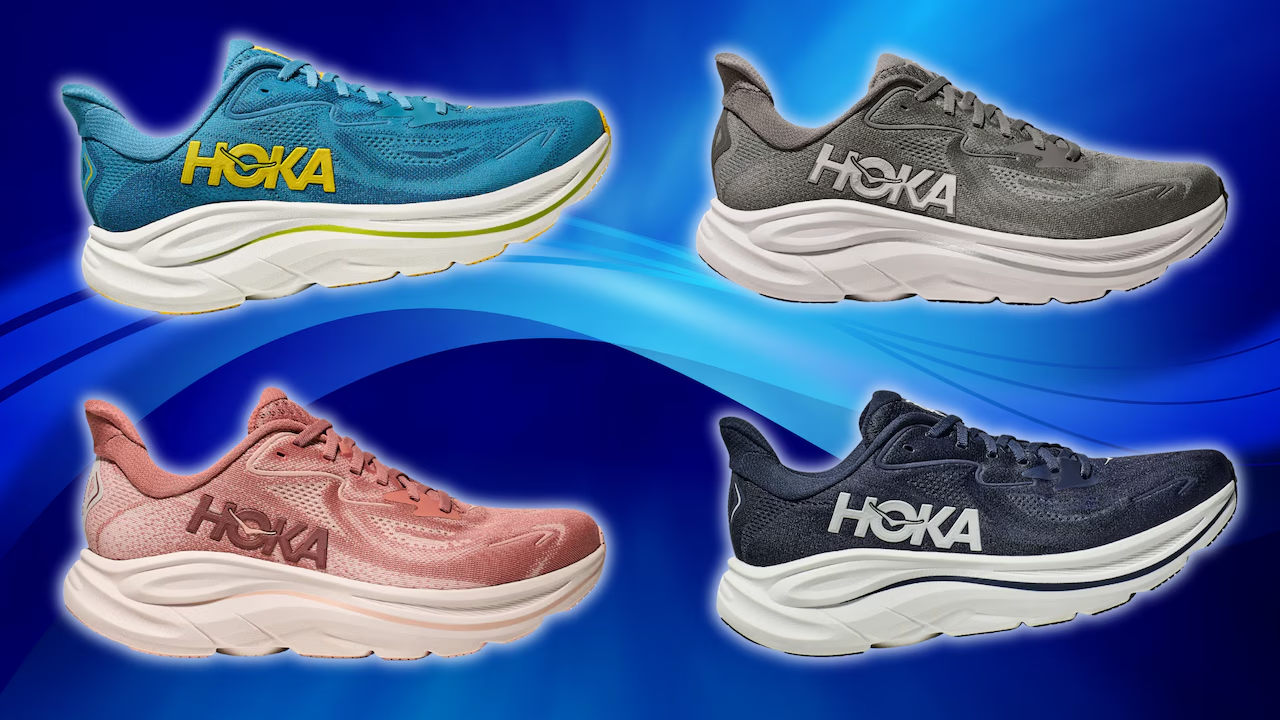
Some running shoes sell because runners need them, and some sell because half the country suddenly decides the same shoe can solve three problems at once. That is the real story behind Hoka Clifton 10 demand: runners want soft daily miles, walkers want less pounding, and people who stand all day want a shoe that does not feel like a brick by dinner. The launch buzz makes sense because this model sits at the center of the brand’s biggest strength. It feels safe, familiar, and new enough to make loyal buyers look twice.
For American shoppers watching colorways and sizes vanish, the smarter question is not only whether the shoe is popular. It is whether the demand says something useful about fit, comfort, and value. A product can trend for weak reasons. This one has stronger ground under it. Buyers are chasing a daily trainer running shoe that can handle morning runs, airport walks, retail shifts, school drop-offs, and weekend errands. That wide use case is why outlets like consumer product launch coverage matter: they show how a performance item can cross into normal American life fast.
Why Hoka Clifton 10 Demand Feels Different This Time
The Clifton line already had trust before this release, but the current surge feels broader than a normal running update. A runner in Austin replacing worn-out trainers and a nurse in Ohio buying her first pair after a twelve-hour shift may not read the same gear sites, yet they can end up in the same checkout line. That is the tension behind this launch. Hoka did not need to convince only runners. It needed to keep runners while pulling in people who care more about pain-free miles than pace charts.
The launch hit more than the running crowd
The obvious buyer is the easy-mile runner. That person wants cushion, a smooth roll, and a shoe that does not punish tired legs after a speed day. The less obvious buyer may matter more. Teachers, hospital staff, retail workers, travelers, dog walkers, and parents doing Saturday errands have turned max cushion running shoes into daily footwear.
That shift changes how a launch behaves. A shoe aimed only at runners rises and falls by training cycles, race calendars, and expert reviews. A shoe that works for both runs and long days gets pulled by more habits. It can sell at 7 a.m. to someone planning a five-mile jog and at 11 p.m. to someone whose feet hurt after work.
The non-obvious part is that wider appeal can make the shoe harder for serious runners to judge. Popularity does not always mean faster, lighter, or more race-ready. Sometimes it means the shoe solved a boring problem better than flashier models did. Comfort still wins a lot of wallets.
Familiar comfort made the risk feel smaller
A tenth version carries a promise. Buyers assume the brand has already made the big mistakes and fixed most of them. That does not mean every update lands well, but it lowers the fear of trying the new pair. For a $150-ish shoe, that matters.
The current model keeps the Clifton identity clear: soft underfoot feel, road-ready shape, and enough structure for steady miles. Hoka road running shoes often attract people who want cushion without feeling like they are wearing work boots. The Clifton sits right in that lane, which helps explain why repeat buyers move fast at launch.
There is a counterintuitive lesson here. A shoe does not need to shock loyal fans to create heat. It can win by changing the parts that annoyed people while leaving the emotional reason they came back. For the Clifton, that reason is simple. Your legs feel protected, and the shoe does not ask for much attention.
What Changed Underfoot and Why Runners Care
Demand gets attention, but ride quality decides whether the buzz lasts. This update brings a taller-feeling, more protective platform, a higher heel-to-toe drop than the prior version, and a smoother sense of transition for many heel strikers. Those changes sound technical, yet they show up in plain ways. Your first few steps feel guided. Your heel feels less exposed. Your foot rolls forward without needing you to think about it.
More heel lift changes the daily ride
The move to an 8mm drop matters because many American runners land farther back on the foot during easy miles. A higher drop can make the shoe feel more natural for those runners, especially when fatigue sets in. Someone jogging after work in Chicago, after sitting at a desk all day, may notice that the shoe feels easier to roll through than a lower-drop trainer.
That does not make it perfect for everyone. Runners who love low-drop shoes may find the change too noticeable. Midfoot strikers who enjoyed the older Clifton’s flatter feel may need a few runs before they settle in. A daily trainer running shoe should disappear under you, not make you negotiate with it.
The useful point is not that one drop height is better. It is that Hoka seems to have aimed this version at the broad middle of buyers. Heel strikers, walkers, and tired-leg runners form a large group. Serving them well can look like a design choice and a sales strategy at the same time.
The cushion is protective, not built for racing
The Clifton’s foam story is easy to misunderstand. It feels soft and protective, but it is not trying to behave like a race-day super shoe. That is a good thing for the right buyer. Most people do not need a twitchy, aggressive shoe for daily miles on sidewalks and neighborhood roads.
For a runner doing four easy runs a week, the value comes from repeat comfort. The shoe should feel good on Monday, again on Wednesday, and still friendly during a slow Sunday loop. Max cushion running shoes earn loyalty when they reduce the small complaints that make people skip runs.
The non-obvious tradeoff is that more cushion can make a shoe feel less sharp. If your favorite run includes fast surges, tight cornering, and quick toe-off, you may want a lighter tempo option beside it. This Clifton works best as the shoe you trust for volume, recovery, walking, and long casual wear. It is a workhorse, not a racehorse.
Fit, Width, and the Real Reason Sizes Move Fast
Size sellouts rarely happen because everyone has the same foot. They happen because a model gives more people a reason to try it. The current Clifton does that with multiple widths, a refined upper, and a roomier feel than some past versions. That combination matters in the United States, where buyers often use one pair for running, walking, travel, and work. The shoe has to fit more than a foot. It has to fit a day.
Width options make the launch more inclusive
Regular, wide, and extra-wide options can turn casual interest into a purchase. Many runners have learned the hard way that soft cushioning means little if the upper squeezes the forefoot. A shoe that offers more width choices gives shoppers fewer reasons to abandon the cart.
Think about a runner in Phoenix training through warm mornings. Feet swell in heat. Add a few miles on pavement, and a narrow toe box can turn a decent shoe into a blister machine. Width choice is not a small feature for that person. It is the difference between using the shoe and returning it.
This is where Hoka road running shoes have a strong opening. The brand already owns a comfort-first image, so wider fit options make the promise feel more believable. The counterintuitive part is that fit options can create demand by reducing drama. People buy faster when they expect fewer problems.
The upper matters more than it gets credit for
Cushion gets the headlines, but the upper decides whether the shoe stays pleasant after mile three or hour six. A breathable jacquard-style upper gives the shoe a softer wrap without turning the fit into a loose slipper. That balance helps the Clifton serve both runners and walkers.
The double-lace lock is another small detail with a large effect. Tongue shift sounds minor until you stop twice during a run to fix it. On a work shift or airport day, that irritation becomes worse because you are not focused on training. You are trying to get through your day without thinking about your shoes.
A good upper does not announce itself. It holds, breathes, and stays out of the way. That may be why many buyers judge the Clifton in the first minute, then decide they can imagine wearing it all week. The sale happens in the foot, not in the spec sheet.
Should American Buyers Chase the Hype or Wait?
A hot launch creates pressure. Sizes move, colorways get thin, and shoppers start treating normal purchases like limited drops. That is not always smart. The better move is to decide what job the shoe needs to do, then judge whether this Clifton matches that job. Hype can point you toward a shoe, but it should not make the final call.
Buy fast if comfort is the main job
This release makes the most sense if you want one pair for easy runs, walking, errands, and long days on hard floors. That is a common American use case. Many people do not keep separate shoes for training, travel, and work. They want one pair that can cover most of life without punishing their feet.
A beginner runner in Atlanta, for example, may care less about shaving seconds and more about finishing three weekly runs without sore calves. A parent in Denver may want the same pair for a morning walk and a Costco run. For both, a daily trainer running shoe with soft cushion and a stable base feels practical.
The buyer who should hesitate is the runner chasing speed. If you already own a cushioned trainer and need a workout shoe, this may overlap too much with what you have. Popular does not mean necessary. It means the shoe fits a large number of ordinary needs.
Check your foot type before trusting the crowd
Crowd behavior can hide fit problems. If you have flat feet, high arches, narrow heels, bunions, or a history of plantar pain, do not buy only because sizes are disappearing. Check return terms, test the shoe indoors, and pay attention to pressure points before taking it outside.
The American Podiatric Medical Association advises choosing running shoes based on foot type, including support for low arches and softer cushioning for high arches. That is useful here because the Clifton’s appeal is broad, but feet are not. A shoe can be popular and still wrong for your mechanics.
The smart move is simple. Match the shoe to your real life, not your ideal running life. If your week includes slow miles, standing, walking, and recovery days, this Clifton has a strong case. If your week centers on track workouts and fast long runs, use it as a comfort piece, not the whole rotation.
Conclusion
The sales buzz around this Clifton release says less about sneaker hype and more about how Americans now buy running shoes. People want one pair that can carry them through miles, workdays, travel, and casual wear without feeling medical or clunky. That is a hard lane to own, and Hoka has built rare trust there.
Still, demand should not do your thinking for you. Hoka Clifton 10 makes the strongest case for runners and walkers who value soft protection, width choice, and an easy roll over raw speed. It is not the sharpest tool for workouts, and some longtime Clifton fans may need time with the higher drop. That honesty makes the shoe easier to understand, not less appealing.
The record-talk around launch may grab attention, but the lasting story will be repeat use. Shoes become favorites when people reach for them without debate. Try the fit, walk around the house, and judge it by the miles you live most often. For more comfort-first picks, compare it with best running shoes for beginners and how to choose comfortable walking shoes before you buy.
Frequently Asked Questions
Is the new Clifton good for beginner runners?
Yes, it suits many beginners because it offers soft cushioning, a stable base, and an easy rolling feel. New runners often need comfort more than speed. The fit still matters, so test width and heel hold before using it for outdoor miles.
Can this shoe work for walking all day?
Yes, many buyers choose it for walking, errands, travel, and long work shifts. The soft midsole and smooth rocker-style ride help reduce foot fatigue on hard surfaces. People who need firm arch control may still prefer a more supportive model.
Is it better for running or standing at work?
It can work well for both, but the best use depends on your feet. Runners get a cushioned daily-mile shoe, while workers get a soft platform for long hours. If your job needs slip resistance or workplace certification, check those requirements first.
Does the higher heel-to-toe drop matter?
Yes, the higher drop can feel better for many heel strikers and walkers because it gives the rearfoot more lift. Runners who prefer low-drop shoes may notice the change. A short indoor test helps you decide before committing to road miles.
Are wide sizes worth choosing?
Wide sizes are worth trying if your toes feel squeezed, your forefoot rubs, or your feet swell during runs. A wider fit can improve comfort without changing shoe length. Do not size up only to gain width, because that can hurt heel security.
Is this model good for fast workouts?
It is better for easy miles, recovery runs, walking, and daily wear than hard speed sessions. The cushion feels protective, not snappy. Runners who do intervals, tempo runs, or race-pace work may want a lighter shoe for those days.
How long should the shoe last?
Most daily trainers last several hundred miles, but body weight, running surface, gait, and walking use all change the timeline. Watch for flattened cushion, uneven outsole wear, or new aches. Those signs matter more than a calendar date.
Should I buy now or wait for more colors?
Buy now if your size, width, and preferred color are available and the return policy works for you. Wait if you are unsure about fit or already own a similar cushioned trainer. A popular launch should not rush a poor match.