There is a point in marathon training when shoes stop feeling like gear and start feeling like a decision about survival. The New Balance 1080 v14 fits that moment because it gives American runners a soft, steady ride without pretending to be a race-day rocket. If you are building toward Chicago, New York, Boston charity entries, or your first local 26.2, the appeal is simple: this is a comfort-first trainer that can absorb heavy weeks while still feeling smooth on tired legs. That is why it keeps showing up in running-store talk and practical running gear updates aimed at runners who care less about hype and more about finishing strong.
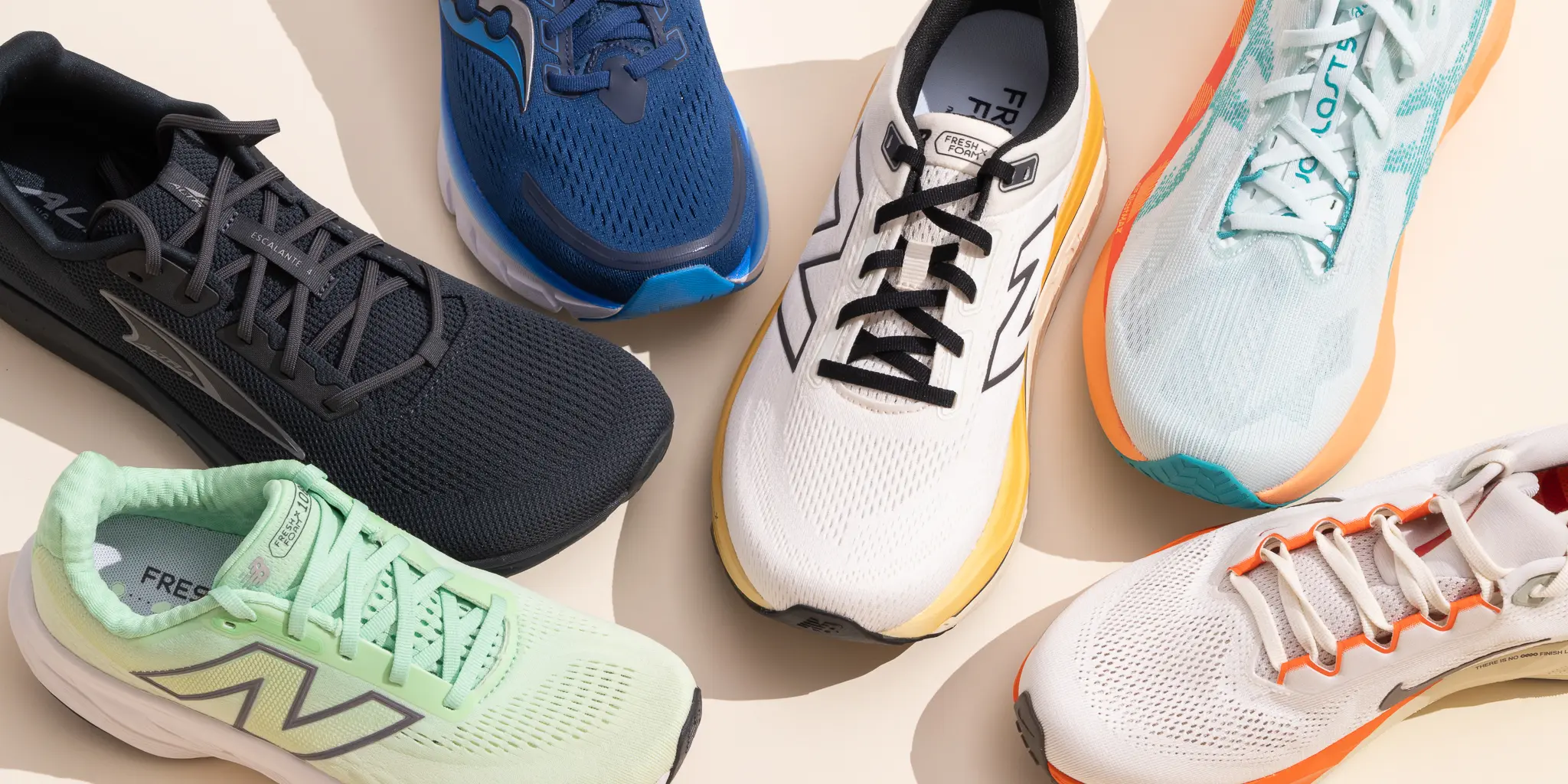
New Balance lists the model as a neutral shoe with extra-soft cushion, a 6 mm heel-to-toe drop, and a 298-gram listed weight in men’s sizing. The brand also points to a triple jacquard mesh upper, added rubber in high-wear zones, and a rocker profile meant to guide the foot forward. None of that makes it magic. It makes it useful, which is better. The model also appears in the APMA Seal of Acceptance database, which gives cautious buyers a credible checkpoint beyond store reviews.
Why New Balance 1080 v14 Works for Marathon Training Miles
Marathon training is not one run. It is a pile of weekday miles, awkward weather, dull recovery jogs, and a long run that lands when your calendar is already full. A shoe becomes trusted in that setting only when it feels good on the boring days. The 1080 v14 lands there because it is built more like a dependable workbench than a trophy. It does not ask you to run fast to understand it. That point matters because marathon plans break down in plain places: Tuesday gets skipped because the shoes feel harsh, and Saturday gets shortened because the knees feel beaten up from Thursday. The right trainer cannot fix sleep, nutrition, or pacing, but it can remove one common source of friction so you can focus on the habits that decide race day.
Marathon running shoes earn trust during the plain miles
The most honest test for marathon running shoes is not the race expo or the first jog around the block. It is the seven-mile run after work when your calves are flat, the sidewalk is uneven, and your watch is no longer exciting. That is where a soft neutral trainer can pay for itself.
The 1080 v14 makes sense for this job because it gives you protection without the brittle feel of a stiff plated racer. A runner in Philadelphia prepping for the Marine Corps Marathon may use a faster shoe for tempo days, then reach for this model the morning after hill repeats. That switch is not glamorous. It is how runners stay consistent. The same idea applies to a parent training before sunrise in Ohio, where the first mile is half asleep and the last mile decides whether tomorrow’s run happens.
The non-obvious part is that a shoe can feel a touch slower and still help your marathon. If it lets you run easy enough on recovery days, it protects the next workout. Many runners ruin training by turning every shoe into a speed cue. A calmer shoe can be a quiet coach, pulling you back toward the pace your plan actually asked for.
The soft ride helps when weekly mileage stops feeling new
Early marathon miles carry a small buzz. By week nine, the buzz fades. Your feet start noticing cambered roads, cold pavement, and the way concrete punishes sloppy form. A cushioned running shoe for marathon training has to calm those small hits before they become reasons to skip.
Fresh Foam X cushioning gives the 1080 v14 its main personality. It is soft, but the v14 shape feels more controlled than the sink-and-wobble feel some runners noticed in older soft trainers. That matters on American routes with driveway cuts, painted crosswalks, and cracked suburban sidewalks. A shoe that feels pleasant on a treadmill still has to behave outside, where every block has its own angle and texture.
A useful marathon trainer should disappear under you. Not in the sense of being weightless, because this shoe is not featherlight. It disappears by reducing the noise. Less slap. Less sting. Less arguing with your shoes during miles you already agreed to run. When training volume climbs, that quietness can feel more valuable than a flashy first impression.
The Ride Feels Soft, but Not Sleepy
The first impression is cushion, but the better story is restraint. Many max-cushion trainers feel lovely for ten minutes and vague after forty. The 1080 v14 avoids some of that trap by pairing its soft foam with a wider, more guided platform and a rocker that nudges the stride along. The result is not snappy like a carbon racer. It is steady, which is often what marathon legs need. This is the difference between comfort and laziness. A shoe can soak up impact while still giving your foot a clear place to land, and that balance is why the model works for runners who want to stack miles without feeling as if they are dragging a pillow under each foot.
Fresh Foam X cushioning feels best at honest training pace
Fresh Foam X cushioning works best when you stop asking it to act like a track shoe. Settle into easy pace, marathon-effort cruising, or a Sunday long run, and the shoe starts to make sense. The foam absorbs impact without making every step feel dead.
This is where a lot of American runners will value it. Someone training on asphalt in Dallas heat or along damp roads in Portland does not always need bounce. They need a shoe that feels the same at mile two and mile twelve. The 1080 v14 leans toward that kind of repeatable comfort. It is the type of ride that lets you keep checking posture, breath, and cadence instead of checking your feet. On marathon blocks, that dependable sensation matters because pace can drift from sleep, stress, heat, or hills, not because the shoe suddenly changed character.
There is a trade. If you love a sharp toe-off, this model may feel calm to a fault. That is not a flaw for the right runner. It is a signal that the shoe belongs in the daily miles slot, not the all-out interval slot. Use the racer when the workout asks for bite, then return to this kind of trainer when the plan asks for patience.
A daily trainer for long runs should keep your form honest
A daily trainer for long runs has a strange job. It must protect you, but it cannot let you get lazy. Too much softness can make the foot hunt for balance, and that tiny hunt gets costly after ninety minutes.
The v14 feels more planted than many pillowy trainers because the outsole and sidewalls give the foam some borders. On a 16-mile run, that can mean less side-to-side fuss when you start landing tired. You may not notice it at first. Your hips might notice it later. That is the kind of benefit runners often understand only after comparing shoes on the same route.
Think about a runner using the same route every Saturday through a neighborhood loop, a park path, then a final mile on concrete near a coffee shop. The shoe has to handle all of it without demanding attention. That quiet competence is the reason a daily trainer for long runs can become the shoe you trust most, even if it is not the fastest in your closet. Trust is built by repetition, not one exciting stride. That is why the best long-run trainer often feels almost plain after the first mile, then starts to feel smarter as fatigue makes every extra demand louder.
Fit, Upper, and Durability Matter More After Mile Ten
Most shoe reviews spend too much time on foam and not enough time on what happens above it. Marathon runners know better. A rubbing tongue, soggy collar, narrow forefoot, or outsole patch that wears early can turn a fine midsole into a regret. The 1080 v14 is popular with long-run runners because it pays attention to the ordinary parts that become loud late in a run. That late-run focus is where shopping online can mislead you: a shoe can look breathable in photos and still feel swampy after a humid hour, or feel roomy in a store and still pinch once blood flow rises and toes spread. The best test is not whether it feels good standing still. The best test is whether it stays kind when your stride gets tired.
The upper feels made for swollen feet and changing weather
Feet swell during longer efforts. Laces that felt perfect at the start can feel mean by mile ten. The triple jacquard mesh upper helps because it wraps the foot without feeling like plastic. It gives structure, but it also has enough give for long-run changes.
This matters in the USA because training seasons are messy. A runner in Minneapolis may start a spring run with gloves and finish warm. A runner in Atlanta may deal with humidity before sunrise. A breathable upper cannot fix weather, but it can make the shoe feel less stuffy when the run turns from comfortable to sticky. That is no small thing when your socks are already fighting summer.
The lesson is simple: fit is not only a store test. Walk around, jog, then think about what your foot does after ninety minutes. Marathon running shoes should respect that late-run shape. If your toes feel trapped during a short try-on, they will not become happier at mile eighteen. Size, width, and lace pressure matter more than the color you wanted.
Outsole rubber gives confidence when routes are not perfect
New Balance added rubber in high-wear areas, which sounds like a small spec until you train on real roads. Gravel shoulders, rough parking lots, wet painted lines, and gritty winter pavement all chew through soft shoes. Durability is not only about saving money. It shapes how safe the shoe feels under tired steps.
The 1080 v14 does not have the bite of a trail shoe, and nobody should pretend it does. Still, the road outsole gives enough grip and coverage for most paved marathon training routes. That makes it a better pick for runners who do not want babying from their shoes. If your route includes a few crushed-stone park stretches, you still need judgment, but the shoe is not fragile.
The counterintuitive point: a little outsole firmness can make cushioning feel better. When soft foam has no frame, it can collapse too far. A firmer rubber pattern can help the platform rebound with order instead of mush. That is useful when your last three miles are less graceful than your first three, which is when a marathon trainer earns its keep.
Who Should Buy It, and Who Should Skip It
A shoe can be loved and still be wrong for some runners. That is the adult way to judge footwear. The 1080 v14 deserves attention from marathoners who want protection, comfort, and daily dependability. It makes less sense for runners chasing a fast 5K feel or those who prefer firm, low-stack trainers. This is also where value enters the picture. Since newer versions now exist, some sizes and colors of the v14 may appear through outlet pages or closeout racks, but a discount only matters when the fit works and the return rules are clear. Buy early enough to test it before your longest training stretch. Marathon day is a poor time to learn that a heel collar rubs.
It suits neutral runners who want calm mileage
The best match is a neutral runner who wants a cushioned, steady shoe for easy runs, long runs, recovery jogs, and maybe a low-pressure race. If you are training for a first marathon and own one pair, this model can cover a lot of ground. It is friendly without being sloppy.
It also fits runners who walk, commute, or stand after training. That is worth mentioning because many American marathoners are not full-time athletes. They run before school drop-off, after warehouse shifts, during lunch breaks, or before a desk day. A shoe that feels good beyond the run has practical value. You may finish twelve miles, shower, then still have a grocery trip and a soccer sideline ahead of you.
For more planning around shoe rotation, add this to your daily running shoe rotation tips and compare it with a firmer workout model. One comfortable trainer can carry the base. A second faster shoe can handle pace work. That split keeps each pair in the lane where it performs best, and it may also help you notice when one pair starts feeling worn out.
It may not satisfy runners chasing race-day pop
Fast runners may still enjoy the 1080 v14, but they should know its lane. It is not trying to be a plated marathon racer. It does not have the snap of a super shoe, and it will not make tempo miles feel automatic.
That does not mean it has no place in serious training. Many experienced runners do most miles far slower than race pace, then save sharper shoes for key sessions. A soft trainer can be the boring tool that lets the exciting tool work better. That is hard to accept when every ad makes speed look like the only goal.
Use it next to a marathon training gear guide and think in jobs, not brands. Long run comfort. Recovery protection. Everyday road miles. If those are the jobs, this shoe has a strong case. If your main need is track speed, look elsewhere. If your main need is getting out the door again, it belongs on the shortlist today.
Conclusion
Marathon runners tend to become loyal to shoes that make training less dramatic. That is the real charm here. The 1080 v14 does not need a loud story because its best work happens on ordinary roads, at ordinary paces, under legs that are carrying fatigue from yesterday. It gives softness, but not chaos. It gives comfort, but still asks you to run with some control.
That is why the New Balance 1080 v14 keeps earning attention from runners who care about showing up again tomorrow. The smartest way to judge it is not by one test jog. Take it through easy miles, a medium-long run, and a recovery day after speed work. If it still feels calm when your form gets tired, you have learned what matters. For many marathoners, the favorite shoe is not the one that feels fastest. It is the one that keeps the promise of the next run. Check your fit, respect your stride, and choose the shoe that helps you train with fewer excuses.
Frequently Asked Questions
Is the 1080 v14 good for marathon training?
Yes, it works well for marathon training if you want a soft neutral trainer for easy miles, long runs, and recovery days. It is not built like a carbon race shoe, so runners who want sharp speed may prefer using it beside a faster pair.
Can beginners use the 1080 v14 for a first marathon?
Yes, beginners can use it for a first marathon if the fit feels secure and the cushioning matches their stride. Its comfort-first feel makes it friendly for longer training blocks, especially when the goal is steady mileage rather than aggressive racing.
Is the 1080 v14 better for long runs or speed workouts?
It is better for long runs, recovery runs, and everyday mileage. Speed workouts usually feel better in a lighter, firmer shoe with more snap. The v14 can handle some quicker miles, but that is not where its personality shines.
Does the 1080 v14 have enough support for flat feet?
It is a neutral shoe, so it does not offer the same guided support as a stability model. Some flat-footed runners may still like it, but those who overpronate or need added control should test it carefully or compare it with a stability trainer.
How does Fresh Foam X cushioning feel underfoot?
It feels soft, protective, and smooth at relaxed training pace. The ride is more about comfort than explosive rebound. Runners who enjoy plush landings often like it, while runners who prefer a firm ground feel may find it too calm.
Is the 1080 v14 worth buying on sale?
Yes, it can be a strong sale buy if your size, width, and return policy are right. Since newer models exist, closeout pricing may be tempting. Do not buy based only on price, because marathon training exposes poor fit fast.
Can the 1080 v14 be used as an everyday walking shoe?
Yes, many runners can use it for walking, errands, and standing after training. The cushion and neutral platform make it comfortable beyond workouts. Still, if you need medical-grade support, check the fit and foot needs with a professional.
What type of runner should skip the 1080 v14?
Skip it if you want a firm, light, race-focused feel or a shoe built for track intervals. It may also be wrong if you need strong stability features. It suits runners who want comfort, road mileage, and a calmer ride.