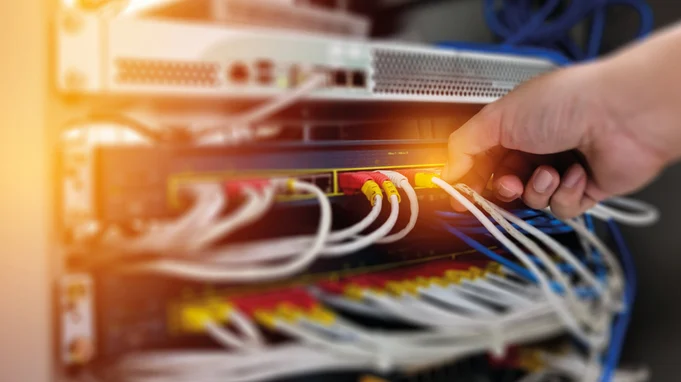
Modern industries rely on industrial communication network services to keep operations connected, efficient, and resilient. From manufacturing facilities and energy plants to transportation systems and critical infrastructure, dependable communication networks enable equipment, control systems, and software platforms to exchange data in real time. As automation, Industrial Internet of Things (IIoT), and digital transformation continue to reshape industrial environments, reliable connectivity has become a business necessity rather than a technical convenience. Instrata provides solutions that help organizations establish reliable communication infrastructures to support these evolving operational demands.
Organizations that invest in well-designed industrial networks gain better visibility into operations, improve productivity, reduce downtime, and strengthen cybersecurity. A communication network serves as the backbone of modern industrial operations, allowing information to move securely between field devices, controllers, supervisory systems, and enterprise applications. Without a stable network infrastructure, even advanced automation technologies cannot perform at their full potential.
Why Industrial Communication Network Services Are Essential
The growing complexity of industrial environments demands communication systems capable of supporting thousands of connected devices while maintaining consistent performance. Industrial communication network services help businesses create scalable, secure, and reliable infrastructures that support continuous operations.
Unlike traditional office networks, industrial environments present unique challenges. Extreme temperatures, vibration, electrical interference, moisture, and dust require specialized networking equipment and carefully planned system architecture. Every component must be designed to withstand demanding conditions while maintaining uninterrupted communication between devices.
Reliable industrial communication also supports operational transparency. Managers and engineers gain access to real-time production data, allowing faster responses to equipment issues, process inefficiencies, and maintenance requirements. Instead of relying solely on scheduled inspections, facilities can monitor performance continuously and address potential problems before they escalate into costly failures.
Key Components of a Modern Industrial Communication Network
A successful industrial communication infrastructure consists of several interconnected technologies working together to maintain reliable data transmission.
Industrial Networking Hardware
Industrial-grade switches, routers, gateways, and wireless access points provide durable connectivity in harsh operating environments. These devices are designed for long service life while supporting high-speed communication and network redundancy.
Communication Protocols
Industrial systems rely on standardized communication protocols that allow equipment from different manufacturers to exchange information efficiently. Protocol compatibility ensures smooth integration between controllers, sensors, programmable logic controllers (PLCs), supervisory control systems, and enterprise software.
Network Security
Cybersecurity has become a critical aspect of industrial communication. Network segmentation, firewalls, secure remote access, authentication controls, and continuous monitoring help protect operational technology environments from cyber threats while maintaining system availability.
Network Monitoring
Continuous monitoring provides valuable insight into network health and performance. Early detection of latency, hardware failures, or communication interruptions allows maintenance teams to resolve issues before production is affected.
Benefits of Industrial Communication Network Services
Organizations implementing professionally designed communication networks often experience significant operational improvements.
Improved Operational Efficiency
Reliable communication enables machines, controllers, and software systems to exchange information instantly. Faster access to operational data improves production scheduling, inventory management, and equipment utilization while reducing manual intervention.
Reduced Downtime
Unexpected equipment failures can disrupt production and increase operational costs. Modern communication networks support predictive maintenance by collecting performance data that helps identify developing problems before they result in unplanned shutdowns.
Better Decision-Making
Real-time operational data provides management teams with accurate information for planning production, optimizing workflows, and improving resource allocation. Data-driven decisions often lead to higher productivity and reduced waste.
Greater Scalability
Industrial facilities continue to adopt automation, robotics, IIoT devices, and advanced analytics. Scalable communication networks allow organizations to expand operations without requiring complete infrastructure replacement.
Enhanced Safety
Reliable communication improves coordination between monitoring systems, alarms, safety devices, and operators. Faster information sharing helps reduce response times during abnormal operating conditions and supports safer workplace environments.
Best Practices for Implementing Industrial Communication Network Services
Building a reliable industrial communication infrastructure requires strategic planning and ongoing management.
Conduct a Comprehensive Network Assessment
Every facility has unique operational requirements. Evaluating current infrastructure, identifying communication bottlenecks, and understanding future growth objectives provide the foundation for an effective network design.
Design for Redundancy
Network redundancy minimizes the impact of equipment failures. Backup communication paths and redundant hardware allow operations to continue even if individual network components fail.
Prioritize Cybersecurity
Industrial systems increasingly connect to enterprise networks and cloud-based platforms. Implementing layered security measures protects critical assets while supporting secure remote monitoring and management.
Select Industrial-Grade Equipment
Commercial networking products may not withstand demanding industrial conditions. Industrial-rated equipment offers greater durability, higher reliability, and longer operational life in challenging environments.
Implement Continuous Monitoring
Monitoring tools provide visibility into network performance, bandwidth utilization, and device health. Continuous analysis helps maintenance teams detect issues early and optimize network performance over time.
Plan for Future Expansion
Industrial technology continues to evolve rapidly. Designing flexible network architectures allows organizations to integrate new automation systems, sensors, and connected devices without extensive infrastructure redesign.
The Role of Industrial Communication in Digital Transformation
Digital transformation depends on seamless communication between operational technology and information technology systems. Modern industrial communication networks support advanced technologies including predictive maintenance, artificial intelligence, machine learning, digital twins, cloud computing, and edge computing.
Connected systems generate valuable operational data that can be analyzed to improve equipment performance, optimize production processes, reduce energy consumption, and support continuous improvement initiatives. These insights help organizations remain competitive while adapting to changing market demands.
Industrial communication also enables remote operations, allowing engineers and technicians to monitor equipment, diagnose issues, and perform system updates without being physically present at every facility. This capability improves operational flexibility while reducing maintenance response times.
Common Challenges and How to Address Them
Industrial communication networks must overcome several operational challenges.
Legacy equipment often uses outdated communication protocols that may not integrate easily with modern systems. Careful planning and appropriate gateways can bridge compatibility gaps while extending the useful life of existing equipment.
Environmental conditions present another challenge. Excessive heat, moisture, vibration, electromagnetic interference, and dust require networking equipment specifically designed for industrial applications.
Cybersecurity risks continue to increase as industrial systems become more connected. Regular security assessments, software updates, employee awareness, and layered protection strategies help reduce vulnerabilities while maintaining operational continuity.
Growing network complexity can also create management difficulties. Centralized monitoring platforms simplify administration by providing a comprehensive view of connected devices and network performance across multiple locations.
Preparing for the Future of Industrial Connectivity
Emerging technologies continue to reshape industrial networking. Artificial intelligence, private 5G networks, advanced wireless communication, edge computing, and increased automation are expanding opportunities for operational improvement.
Organizations that establish strong communication infrastructures today position themselves to adopt future innovations more efficiently. Flexible network architectures support evolving business requirements while protecting technology investments over the long term.
Reliable industrial communication is no longer limited to connecting machines. It enables data-driven decision-making, predictive maintenance, intelligent automation, and greater operational resilience across the entire organization.
Conclusion
As industries embrace automation and digital transformation, industrial communication network services have become essential for maintaining reliable operations, improving productivity, and supporting long-term growth. A carefully designed communication infrastructure strengthens connectivity between industrial devices, enhances cybersecurity, reduces downtime, and provides the real-time visibility needed for informed decision-making.
Businesses that invest in scalable, secure, and resilient communication networks are better prepared to adapt to technological advancements while maintaining operational excellence. Instrata provides expertise in developing industrial communication solutions that help organizations build dependable network infrastructures capable of supporting today’s operational requirements and tomorrow’s innovations.