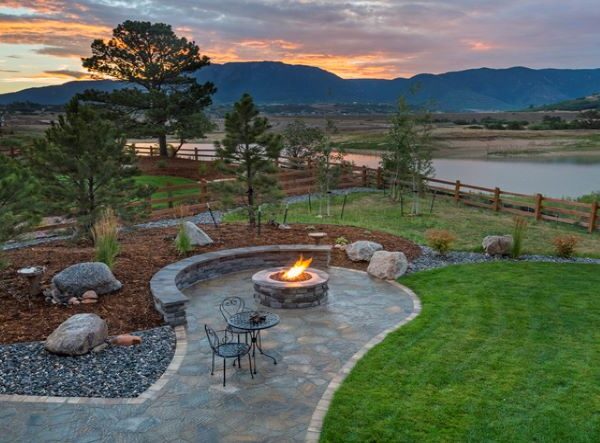
A yard should not need constant watering, chemical rescue, and weekend exhaustion to look alive. Across the United States, homeowners are starting to see outdoor space less as decoration and more as living ground that either helps the local environment or drains it. The smartest garden sustainability tips begin with one practical shift: stop treating the yard like a showpiece and start treating it like a small working habitat. That does not mean letting everything go wild or giving up beauty. It means choosing plants, materials, water habits, and maintenance routines that make sense for your climate, your soil, and your real life. A greener garden can still have color, structure, seating, shade, and curb appeal. It can also waste less water, support pollinators, lower yard costs, and feel better to live around. Homeowners who want a cleaner public presence for local projects, neighborhood groups, or eco-minded businesses can also find support through sustainable community visibility while building habits that make their outdoor spaces more resilient.
Garden Sustainability Tips Start With Soil That Can Actually Breathe
Healthy gardens do not start at the nursery. They start under your shoes, where compacted dirt, poor drainage, and tired soil quietly decide whether your plants will thrive or limp along. Many American yards were shaped by construction equipment, sod installation, and years of mowing, so the soil beneath a neat lawn may be more like packed clay than living ground. Fixing that foundation gives every later choice more value.
Why healthy soil matters more than perfect plant shopping
Strong soil holds water longer, feeds plant roots better, and reduces the need for quick chemical fixes. A homeowner in Georgia with red clay, for example, can buy expensive shrubs every spring and still watch them struggle if the root zone stays dense and airless. The smarter move is slower: loosen compacted areas, add compost, and let organic matter rebuild the structure over time.
Compost is not garden magic, even though it can feel close. It improves how sandy soil holds moisture and how clay soil drains after heavy rain. That balance matters across the United States because a Phoenix yard and a Pennsylvania yard face different weather, yet both suffer when soil cannot manage water properly.
The counterintuitive part is that feeding soil often matters more than feeding plants. Fertilizer may push growth for a season, but soil rich in organic matter builds the kind of steady support that survives heat, rain, and neglect. A yard with better soil becomes less needy, and that is where sustainable gardening stops feeling like extra work.
How to build eco friendly landscaping from the ground up
Eco friendly landscaping begins with restraint. Before tearing out half the yard, test the soil, watch where water pools, and notice which spots bake in afternoon sun. Those simple observations prevent the classic mistake of planting by impulse and then fighting the yard for years.
A practical starting point is to leave grass clippings on the lawn when they are short enough to settle cleanly. They return nutrients to the soil and reduce bagged waste without adding a new chore. In garden beds, shredded leaves can work as mulch, especially in fall when many neighborhoods already have bags of them sitting by the curb.
Raised beds can help in areas with poor native soil, but they should not become an excuse to ignore the ground around them. Paths, borders, and planting zones still benefit from organic matter and reduced foot traffic. Eco friendly landscaping works best when the whole yard is treated as one connected system, not a set of isolated display boxes.
Water-Smart Choices Make a Yard More Resilient
Once soil can hold life, water becomes the next pressure point. Many outdoor spaces waste water not because homeowners are careless, but because old routines run on autopilot. Sprinklers hit sidewalks, lawns get watered at noon, and thirsty plants sit in places where they never belonged. A greener yard does not depend on constant watering; it depends on matching water use to actual need.
Simple water saving garden ideas for American yards
Water saving garden ideas often start with timing. Early morning watering gives moisture a better chance to reach roots before sun and wind steal it. Evening watering may seem tempting, but it can leave foliage damp overnight, which encourages disease in humid regions.
Drip irrigation is one of the most sensible upgrades for beds, borders, and vegetable gardens. It sends water near the root zone instead of spraying it across leaves, fences, and pavement. In states where summer heat punishes shallow watering, this small change can help plants grow deeper roots and tolerate dry spells with less drama.
Rain barrels can also help, though they work best when expectations stay realistic. One barrel will not carry a large garden through a dry Texas summer, but it can water containers, herbs, or a small bed after a storm. Water saving garden ideas become useful when they are matched to scale, not sold as miracle fixes.
Why native plant gardens handle local weather better
Native plant gardens deserve attention because they are built around plants that already understand the region. A New England yard, a Midwest yard, and a California yard should not all look like the same catalog page. Local climate, rainfall, pests, and seasonal cycles should shape the plant list.
Native grasses, flowering perennials, shrubs, and trees can support birds, bees, butterflies, and beneficial insects. They also tend to need less pampering once established, which matters for homeowners who want beauty without turning the yard into a second job. The first year still takes care and watering, but the long-term payoff is worth the patience.
The surprising benefit is emotional, not only ecological. Native plant gardens often make a yard feel more rooted in its place. A Florida garden with muhly grass and coontie has a different soul than a Colorado garden with penstemon and blue grama, and that local character beats a generic green lawn every time.
Smarter Materials Reduce Waste Without Making the Yard Look Rough
A sustainable garden can look polished. The myth that greener choices always look messy has kept too many homeowners stuck between wasteful perfection and total neglect. Materials matter because patios, paths, edging, containers, and furniture shape how the space functions long after the plants go in.
Choosing low waste garden design that still feels finished
Low waste garden design asks a simple question before every purchase: does this item solve a real problem, or does it only fill space? That question can save money fast. Many yards become cluttered with plastic edging, short-lived decor, and seasonal items that fade before the next summer arrives.
Reclaimed brick, local stone, untreated wood, and durable metal can add structure without creating piles of future trash. A path made from reused pavers may carry more character than a brand-new kit from a big-box shelf. The goal is not to make the garden look handmade in a sloppy way; the goal is to make it feel intentional.
Low waste garden design also rewards patience. Building one strong seating area this year can be better than scattering five cheap features across the yard. A garden improves when each choice has a job, a place, and a reason to stay.
How mulch, paths, and containers affect long-term sustainability
Mulch is one of the most practical tools in a greener yard. It reduces evaporation, slows weeds, protects soil from harsh temperature swings, and gives beds a cleaner look. Wood chips from local arborists can work well, though they should sit on top of the soil rather than be mixed into planting holes.
Paths protect soil by guiding foot traffic. Without clear routes, people cut through beds, compact roots, and create bare patches that invite weeds. Gravel, stepping stones, wood chips, or reclaimed pavers can all work depending on the site, but the best path is the one people will actually use.
Containers deserve more thought than they usually get. Cheap plastic pots crack, fade, and blow across patios, while heavier long-lasting containers reduce replacement waste. A large container with herbs near the kitchen door can also beat a faraway garden bed that nobody remembers to water.
Maintenance Habits Decide Whether the Garden Stays Green
A sustainable yard is not finished after planting day. It proves itself through the small routines that follow: how you mow, prune, weed, water, and clean up after storms. Maintenance can either support the living system or slowly undo it. The difference often comes down to timing and restraint.
Pollinator friendly yards need a lighter hand
Pollinator friendly yards do not have to look abandoned. They do, however, need some shelter, seasonal flowers, and fewer chemical interruptions. Bees, butterflies, moths, and other insects rely on more than blooms; they also need places to rest, nest, and survive the parts of the year when humans are not thinking about flowers.
Leaving some plant stems through winter can support overwintering insects, especially in colder states. Waiting until temperatures warm before cutting everything back gives hidden life a better chance. That may feel odd for homeowners trained to clear every brown stem in fall, but nature does not run on a leaf blower schedule.
Pesticides are the sharpest conflict in pollinator friendly yards. Spraying one pest can harm insects you never meant to touch. A better habit is to identify the problem first, tolerate minor leaf damage, and use the narrowest fix only when the plant truly needs help.
How seasonal routines keep sustainable gardening realistic
Sustainable gardening fails when the routine is too precious to survive a busy month. A yard that needs constant deadheading, daily watering, and weekly rescue missions will wear people down. The better goal is a garden that forgives you when life gets crowded.
Spring can focus on soil care, planting, and checking irrigation. Summer asks for deep watering, mulch checks, and pest observation. Fall is ideal for planting many perennials, adding leaves to beds, and letting some seed heads stand for birds. Winter can be planning season, when you notice what worked without sweating through another chore.
The honest truth is that the lowest-maintenance yard is rarely the one with the fewest plants. Bare ground invites weeds, heat, runoff, and erosion. Dense, well-chosen planting can reduce work because plants occupy space that problems would otherwise claim.
A greener outdoor space becomes easier when each season has a clear job. You stop reacting to every brown leaf and start reading the yard as a living pattern. That shift is quiet, but it changes everything.
Sustainable yards are not built by chasing perfection. They grow from choices that respect the land you already have, the climate you live in, and the amount of care you can honestly give. The best garden sustainability tips are not flashy; they are steady, practical, and rooted in observation. Improve the soil before blaming the plant. Water where roots can use it. Choose materials that last. Give pollinators a reason to stay. Over time, those small decisions reshape a yard from a resource drain into a place that gives something back. Start with one corner, one bed, or one wasteful habit you can change this week. A greener garden does not ask for a grand gesture; it asks you to make the next outdoor decision with more care than the last.
Frequently Asked Questions
What are the best garden sustainability tips for beginners?
Start with soil, water, and plant choice. Add compost, mulch bare ground, water early in the morning, and choose plants suited to your region. Beginners make faster progress by improving one bed or corner first instead of redesigning the whole yard at once.
How can eco friendly landscaping reduce yard maintenance?
Eco friendly landscaping reduces maintenance by matching plants to local conditions, improving soil health, and cutting wasteful watering habits. Once the yard works with its climate instead of against it, you spend less time replacing plants, fighting weeds, and fixing dry patches.
What are simple water saving garden ideas for summer?
Water deeply in the early morning, add mulch around plants, group thirsty plants together, and install drip irrigation where possible. Containers may need extra attention, but garden beds usually perform better with slower, deeper watering instead of frequent shallow sprays.
Why are native plant gardens better for pollinators?
Native plant gardens support insects, birds, and wildlife that evolved with those plants. They often provide better nectar, seeds, shelter, and seasonal habitat than many ornamental imports. After establishment, they can also handle local weather with less watering and chemical support.
How do pollinator friendly yards stay neat?
Pollinator friendly yards stay neat through clear edges, planned paths, layered planting, and selective cleanup. You can leave stems, seed heads, and habitat areas while still keeping the space intentional. Structure makes a wildlife-supporting yard look cared for instead of neglected.
What does low waste garden design mean?
Low waste garden design means choosing durable materials, reusing what you can, avoiding disposable decor, and buying only what serves a real purpose. It favors long-lasting paths, containers, edging, and furniture over items that break, fade, or end up in the trash.
Can sustainable gardening work in a small backyard?
Small yards can be ideal for sustainable gardening because every change is easier to manage. A compact space can hold native flowers, herbs, a rain barrel, compost, mulch, and pollinator habitat without requiring a large budget or heavy weekend labor.
How often should I update a sustainable garden plan?
Review the plan every season, but make major changes once or twice a year. Watch which plants thrive, where water collects, and which areas create extra work. A sustainable garden improves through observation, not constant redesign.