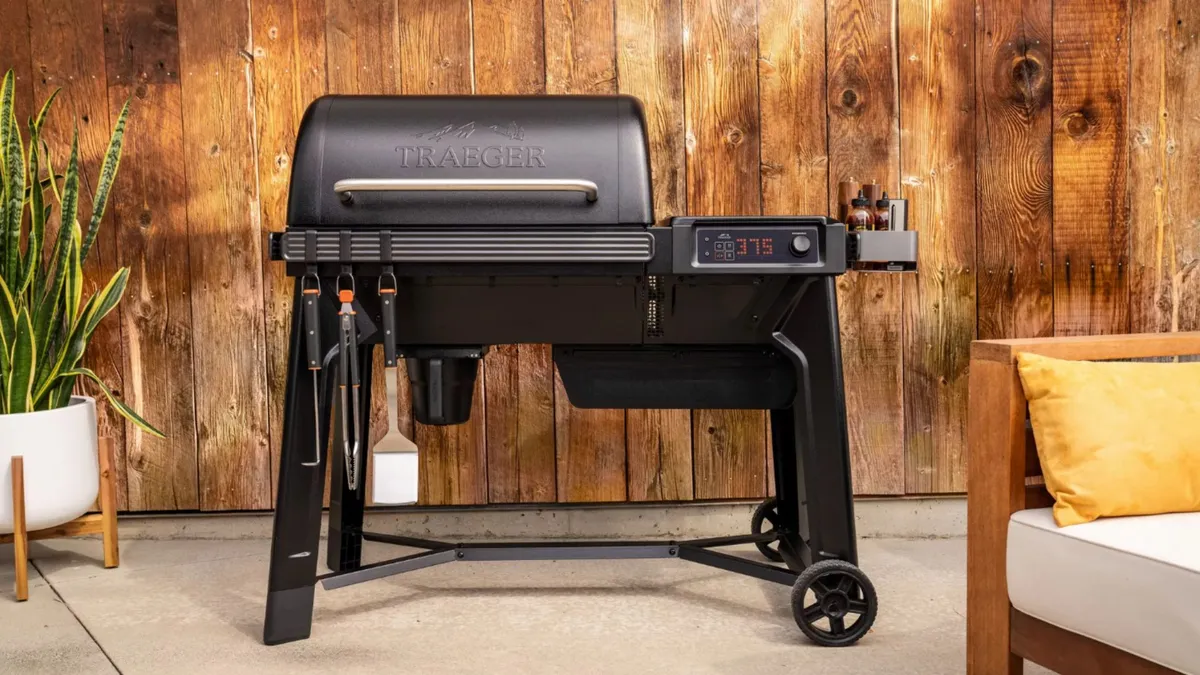
A big grill shortage never starts with a press release. It starts with a neighbor dragging a brisket tray across the yard, a dad checking store pickup before Memorial Day, and a few shoppers realizing the best patio gear is gone before the first heat wave. The Traeger Ironwood XL is riding that exact wave because Americans are buying earlier, cooking for bigger groups, and expecting a wood pellet grill to do more than smoke ribs on Saturday. The appeal is simple: roomy cooking space, app control, wood-fired flavor, and enough size to handle graduation parties, Fourth of July weekends, and Sunday meal prep without turning the cook into a chore. For readers who follow outdoor product news, this kind of early demand makes sense. Summer gear now moves before summer feels official. The smarter question is not whether people want a large pellet smoker. They do. The question is whether this one fits your yard, your cooking style, and your patience when stores start showing thin inventory.
Why the Traeger Ironwood XL Is Pulling Shoppers Early
The first reason demand builds early is not hype. It is timing. Grill shoppers in the USA no longer wait until June to plan backyard BBQ weekends because the best models, accessories, pellets, and covers often become harder to find once warm weather locks in. This grill sits in the sweet spot between serious smoker and family patio machine. That makes it a natural target for people who want one large cooker rather than three smaller tools taking up space.
The other pull is confidence. Newer buyers may not know fire management, but they know they want repeatable results. A screen, a hopper, and a controlled burn feel less risky than guessing over charcoal while guests wait with paper plates.
Summer Buyers Are Shopping Before the First Big Cookout
A few years ago, many homeowners waited until the week before Memorial Day to replace a rusty grill. That habit is fading. Big-ticket outdoor cooking gear now gets treated more like furniture or appliances. People compare sizes, check delivery windows, measure patios, and plan around family events.
That shift matters because a grill this size is not an impulse cart add-on. It asks for a clear spot, steady power, pellet storage, and room around the lid. A shopper in suburban Dallas or Columbus may be thinking about brisket in July, but the buying decision happens in spring.
There is also a social reason behind the rush. Backyard cooking has become a low-pressure way to host. You can feed twelve people without booking a restaurant or cleaning the whole house. A large wood pellet grill turns that plan into something calmer. Load the cooker, watch the temperature, and let the day move.
The hidden pressure comes from accessories. A cover, folding shelf, pellets, liners, gloves, and a better thermometer often sell alongside the grill. Once those add-ons thin out, the whole purchase feels harder. That is why serious buyers start early even when their first party is weeks away.
The Counterintuitive Reason Size Can Save Effort
The obvious read is that a larger grill is for people who cook more food. That is true, but incomplete. The better reason to buy big is that it lets you cook less often. Two pork shoulders, a pan of sausage, and a tray of vegetables can become meals for several days.
That matters for American families who use outdoor cooking as meal prep, not only entertainment. A parent can smoke chicken on Sunday, pack lunches on Monday, and still have enough left for tacos by midweek. That is not flashy. It is useful.
The catch is fuel discipline. A big pellet smoker can feel wasteful when you fire it up for four burgers. It shines when you batch food or host a group. The non-obvious move is to plan cooks around the grill’s capacity instead of treating it like a small gas grill with a fancy screen.
Think of the best use case as “full but not crowded.” A couple of racks of ribs, a pan of beans, and a tray of peppers make sense together. One lonely salmon fillet in the middle of a giant grate can feel like heating a garage to warm one cup of coffee.
What Makes a Large Wood Pellet Grill Feel Different
A large pellet machine changes the rhythm of cooking. You stop hovering over flame. You start thinking in windows: when to season, when to wrap, when to rest, and when guests should arrive. That slower rhythm is why many buyers move from gas to pellets. They want smoke flavor without feeding splits of wood all afternoon. That does not mean it replaces every grill. It means it changes the kind of food you make best.
This is why the grill attracts people who care about pace. A gas grill feels like a sprint. A pellet cooker feels more like setting a kitchen timer, then checking the patio with a drink in hand. Neither style is morally better. They serve different evenings.
Smoke Flavor Comes From Patience, Not Theater
The first cook teaches most people a quiet lesson. A pellet grill is not at its best when you rush it. Ribs, pork shoulder, turkey breast, chicken thighs, and salmon reward time. Burgers and thin steaks can work, but they are not the main event.
This is where a large backyard BBQ setup earns its keep. You can run the cooker low, let the smoke build, and still have enough grate space for sides near the end. A tray of jalapeño poppers or corn can slide in without crowding the meat.
There is also less drama than with charcoal. Some cooks miss that. Others are relieved. A steady pellet fire lets you spend more time with people and less time acting like the grill needs a babysitter. For many households, that trade feels honest.
The taste difference is not only smoke. It is moisture control. Long, steady heat gives connective tissue time to soften without punishing leaner pieces too fast. That is why chicken thighs can stay forgiving and pork shoulder can turn rich without constant poking.
High Heat Is Useful, But It Is Not the Whole Story
A common mistake is judging every outdoor cooker by steakhouse sear marks. That misses the point. Many pellet grills can reach high temperatures, but their real gift is managed heat over a long period. The better test is whether your ribs finish tender, your turkey stays moist, and your pork shoulder cooks without wild swings.
This is also where an outside thermometer helps. Built-in probes are convenient, yet food safety still belongs to the cook. The official safe cooking temperature chart is worth keeping close because color and bark can fool you.
The counterintuitive insight is simple: the more advanced the grill feels, the more you should respect the basics. Clean grates, dry pellets, safe internal temperatures, and a rested cut of meat still beat any app notification. Tech helps. It does not taste the food for you.
A good summer setup often pairs the pellet cooker with another hot surface. That may be a cast iron skillet on the stove, a griddle, or a side burner. Smoke the steak or pork chop first, then finish hard and fast somewhere hotter. It feels like an extra step until you taste the crust.
That point matters for buyers comparing pellet machines with high-BTU gas grills. The pellet route gives you gentler smoke and set-and-hold heat. The gas route gives you speed and a ripping grate. Many serious home cooks end up respecting both instead of pretending one box can master every task.
How to Decide Before Inventory Gets Tight
The worst way to buy a premium grill is under pressure. When a product starts getting attention, shoppers often chase the model first and ask fit questions later. That is how people end up with a cooker that blocks a walkway, overwhelms a balcony, or demands more pellets than they expected. A smart buyer slows the decision down before the cart speeds it up.
That slower decision can save money too. When you know the exact spot, the first three meals, and the accessories you will use, you stop buying shiny extras to soothe uncertainty. A clear plan is the cheapest accessory you own.
Measure the Patio Before You Measure the Menu
Start with space. A grill this large needs more than its own footprint. You need room to open the lid, stand safely, stage trays, and keep heat away from siding, railings, and overhangs. A narrow townhouse patio may look open until you add a prep table and a cooler.
Think about wind too. A corner that feels calm in April may turn awkward during summer storms. Pellet grills like stable airflow. You do not need a perfect outdoor kitchen, but you do need a spot that makes cooking feel natural.
This is where an outdoor kitchen setup ideas link can help your readers plan before they buy. The grill is only one piece. Lighting, storage, weather cover, tools, and a safe landing zone for hot trays make the whole space work.
Power access deserves its own check. A pellet cooker needs electricity, so your dream spot has to be practical. Extension cords across walkways are annoying and unsafe. A grounded outdoor outlet close to the cooking zone can make the grill feel built into the patio instead of dragged there.
Buy for Your Real Cooking Life, Not Your Fantasy Weekend
Every shopper has a fantasy cook. Brisket at sunrise. Friends arriving by six. Perfect smoke ring. No one asking when dinner will be ready. Nice dream.
Real life is messier. You may cook chicken thighs on a Tuesday, burgers after work, or ribs while answering emails. A premium pellet smoker makes sense when it fits those normal days too. If it only fits one heroic weekend, the price feels heavier by August.
A useful test is the “three cook” rule. Name the three meals you will make most often. If they are pork shoulder, wings, and meal-prep chicken, a large pellet cooker fits. If they are two steaks, six hot dogs, and quick corn, you may be happier with a smaller grill and a good cast iron pan.
Budget should include the first month of ownership, not only the grill. Pellets, cover, liners, cleaning tools, meat probes, gloves, and a folding table can add up. None of those extras should shock you after checkout. They are part of owning the machine well.
Also check return windows and delivery details before the first cookout lands on the calendar. A 240-pound grill is not fun to move twice. If the box arrives damaged or the patio gate is too narrow, you want time to solve that problem before relatives are texting for directions.
The Smart Way to Use It Through Summer
Once the grill lands on the patio, the job changes from shopping to habit. Good habits make the machine feel worth the money. Weak habits make any premium grill feel fussy. The best owners are not the ones who buy every accessory. They are the ones who learn airflow, cleanup, pellet storage, and timing before the first big party.
That learning curve is not steep, but it is real. The first cook should not be the party where everyone expects brisket at six. Run a smaller meal first, see how the grill behaves in your yard, and learn where the heat feels strongest.
Build a Repeatable Weekend Cooking Plan
A repeatable plan beats random recipes. Pick one long cook, one fast side, and one backup item. For example, pork butt can carry the day, smoked beans can fill the table, and sausage can save hungry guests if the main meat stalls.
That kind of plan removes panic. It also helps you use the full space without crowding. Put large cuts where heat behaves best, rotate trays if needed, and keep a notebook for the first few cooks. A few scribbles about time, pellet flavor, and weather can save your next Saturday.
For broader planning, an internal resource like best pellet grill buying guide can support readers who are still comparing sizes and brands. The buying decision gets easier when the cooking plan is clear.
A repeat plan also teaches your family what to expect. If ribs usually take longer than you hoped, start earlier. If wings finish fast, hold them for later or use them as the first bite. Great outdoor cooking is often less about one magic recipe and more about calm sequencing.
Keep Pellets, Probes, and Cleanup From Becoming Afterthoughts
Pellets are food fuel, not garage clutter. Keep them dry, sealed, and away from damp concrete. Bad pellets crumble, feed poorly, and can make a strong grill act weak. That is one of those small details new owners learn after a rough cook.
Cleanup matters too. Ash and grease are not signs of failure. They are signs you cooked. Let them build too long and the grill loses its easygoing feel. A quick scrape, a cooled-down ash check, and a clean drip path keep summer cooking from turning into a maintenance day.
The non-obvious lesson is that premium grills reward boring routines. The exciting part is the brisket. The useful part is the five-minute cleanup after dinner, when you would rather walk away. Do that small task and the next cook starts with confidence.
Keep one more habit: check pellets before guests arrive. Nothing kills the mood like discovering an almost empty bag while the grill is already heating. A clear storage bin or marked bucket makes that mistake less likely. Small systems save big meals.
One summer after another, the owners who stay happy are rarely chasing tricks. They repeat the setup that worked, adjust one detail at a time, and let the grill become part of the yard instead of the whole show.
Conclusion
The rush around this grill says something bigger about how Americans cook now. Outdoor food is no longer saved for one holiday weekend or one uncle who owns every tool. It has become part of home life, from weeknight chicken to full-yard gatherings. That makes early shopping feel less strange and more practical.
Still, demand should not make the decision for you. The Traeger Ironwood XL deserves attention from people who host, batch cook, and care about smoke flavor more than fast searing. It is less ideal for tiny patios or quick two-person meals. Buy it because it matches your habits, not because the season feels loud. The right grill should make your weekends easier, not turn every meal into a performance.
The smartest move is to measure, plan your first cooks, check local pickup or delivery, and stock the basics before the weather turns hot. If the grill fits your space and your rhythm, act before the summer crowd gets there.
Frequently Asked Questions
Is a large pellet grill worth it for a normal family?
Yes, when the family cooks in batches or hosts often. The size helps with ribs, poultry, pork shoulder, vegetables, and meal prep. For small weeknight meals only, a smaller grill may feel easier and cheaper to run.
How much patio space should I leave around a pellet grill?
Leave enough room for the lid, airflow, tool handling, and safe movement with hot trays. Check the owner manual for clearance guidance. Avoid tight corners near siding, low overhangs, dry plants, or anything that could trap heat.
Can a pellet smoker replace a gas grill?
It can replace one for many meals, but not for every cook. A pellet smoker is better for steady heat and smoke flavor. Gas still wins when you want fast startup, quick burgers, or hard searing after work.
What pellets should beginners buy first?
Start with mild, flexible flavors like apple, cherry, or a competition blend. They work with chicken, pork, vegetables, and fish. Stronger woods can taste heavy if you are still learning cook times and smoke balance.
Is Wi-Fi control useful for backyard cooking?
Yes, but it should not replace checking the food. Wi-Fi control helps you watch temperature, change settings, and track long cooks. A separate food thermometer is still smart because doneness depends on internal temperature, not screen confidence.
What is the best first cook on a new pellet grill?
Chicken thighs are a forgiving first cook. They handle smoke well, cook faster than brisket, and teach you how the grill behaves. Ribs are another good choice once you understand temperature control and timing.
Why do pellet grills struggle with steak searing?
Many pellet grills heat with indirect airflow rather than direct flame under the meat. That makes them great for even cooking but weaker for deep crust. Some owners finish steaks on cast iron, a griddle, or a separate hot burner.
How should I prepare before summer grill inventory drops?
Measure your space, compare delivery options, buy a cover, store pellets properly, and plan your first three cooks. Checking local stores early can help you avoid rushed choices once weekend demand climbs.