A small EV rarely gets this much attention before most shoppers can even sit in one. For U.S. buyers, the Volvo EX30 is arriving at a strange but useful moment: earlier than the delayed timeline many reservation holders expected, yet inside a market where prices, tariffs, and dealer stock can change fast. That makes the news less like a normal product launch and more like a timing decision. If you want a small electric SUV with a premium badge, clean cabin design, quick charging, and city-friendly size, this is the moment to pay close attention. Buyers who follow practical consumer news already know the pattern. The best window is often not when a car is most hyped. It is when the right version lands near you, before inventory gets thin or pricing turns messy. The EX30 is not the roomiest EV in America, and that matters. But for commuters, couples, small families, and second-car households, its early dealer arrival could make it one of the more interesting electric test drives of the year.
Why Volvo EX30 Timing Matters for U.S. EV Shoppers
The timing matters because the American EV buyer has become more careful. Two years ago, a new electric model could ride curiosity alone. Now shoppers ask sharper questions: Is it here? Can I test-drive it? Does the price still make sense after fees? Will I be able to service it locally? A car that appears on dealer lots sooner than expected answers the first question before the sales pitch even starts. It also gives shoppers a chance to compare the EX30 against cars they can touch today, not against a promise on a reservation page.
Early arrival changes the shopping mood
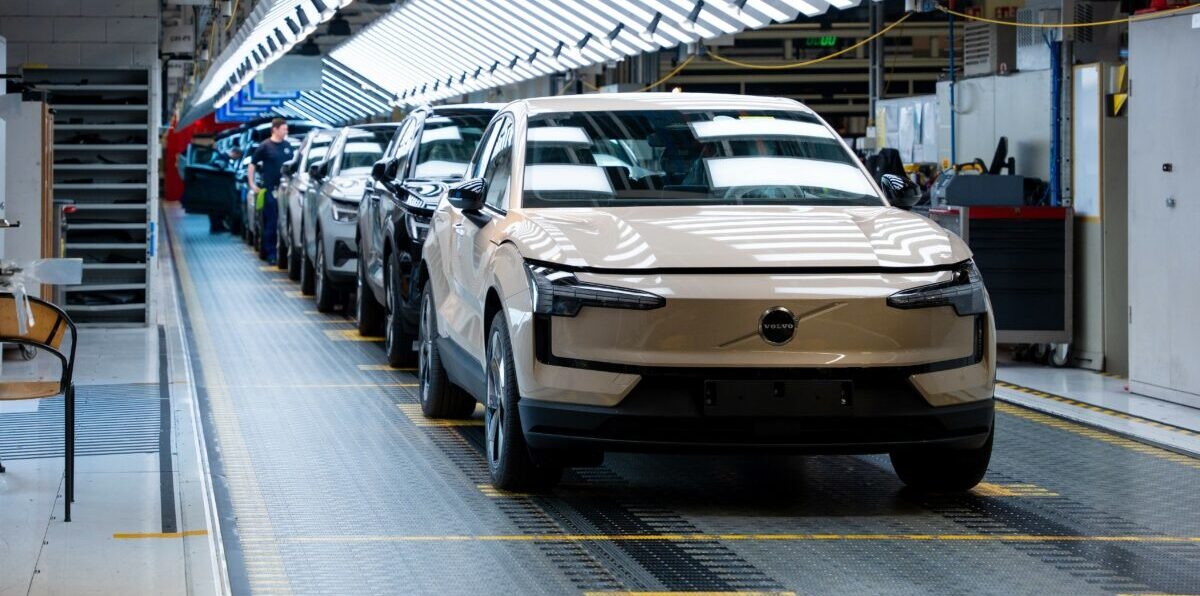
For many reservation holders, the EX30 had already lived through an awkward waiting period. The U.S. rollout was pushed back after trade rules made Chinese-built EVs harder to price. Volvo then shifted more attention toward Belgium-built supply for America, which sounds simple from the outside but is never simple on the factory floor.
That history changes how buyers react when a dealer calls. A shopper in suburban Denver or Northern New Jersey who expected another long wait may suddenly have a weekend test drive on the calendar. That is not a small thing. EV shopping often stalls because the car feels theoretical. Once keys, seats, screens, and cargo space enter the picture, the decision gets real.
The counterintuitive part is that an early arrival does not always mean an easy purchase. It can create pressure. If the first wave includes more premium trims, shoppers looking for the lowest payment may need patience or a wider dealer search. The smart move is to treat early inventory as a preview and an opening, not a command to buy whatever color and package happens to show up first.
The small premium EV gap is still open
The U.S. market has plenty of large electric SUVs, but small premium choices remain thin. That gap gives this small electric SUV a cleaner lane than its size suggests. Many Americans do not need three rows, yet they keep getting pushed toward bigger, heavier, costlier EVs because that is what automakers can sell at higher margins. The EX30 pushes back against that habit.
Its appeal is not only price. It is scale. A Brooklyn driver who parks curbside, a Seattle couple with one garage bay, or an Atlanta commuter who spends more time in office-park lots than on mountain roads may not want a wide EV that feels like work. The EX30 points toward an easier daily rhythm: park faster, charge enough, carry what you use, and stop paying for empty space.
That is where the car earns its argument. It does not win by pretending to replace every SUV. It wins by admitting that many people need less car, not more badge theater. That may sound modest, but in the American SUV market, modest can feel almost rebellious.
What Buyers Should Know Before Visiting a Dealer
Once a new EV reaches showrooms, the online research phase can fool you. Photos make every cabin look clean. Spec sheets make every charging stop sound calm. Dealer visits reveal what matters: seat height, rear legroom, screen logic, trunk shape, and whether the version on the lot matches the version in your head. This is where the EX30 has to prove it is more than a clever idea. It has to fit your Tuesday morning, your bad weather commute, and your budget after the finance office finishes its math. Bring a written list of must-haves before you go. Dealer excitement can blur small deal points, especially when a model has a fresh-arrival story attached to it.
Price, trim, and range need a real conversation
Do not walk into a showroom with only one number in mind. The EX30 has been discussed as Volvo’s lower-cost electric entry, but the price you see depends on trim, powertrain, destination charges, local fees, and dealer stock. A rear-drive model may suit range-focused shoppers. A dual-motor version may tempt buyers who want all-wheel drive and stronger acceleration. Neither choice is wrong. The wrong move is paying for a trait you rarely use.
EX30 range is one of the first details to compare. Official estimates place the most efficient versions in a useful daily-driving zone, while performance and Cross Country versions trade some miles for grip, speed, stance, or design. That trade may be fine if you charge at home. It matters more if you rent, park on the street, or drive long highway routes in winter. Cold mornings, roof boxes, fast speeds, and soft tires can turn a clean estimate into a shorter day.
A sharp buyer asks the salesperson to price the exact vehicle on the ground, not a trim from a launch story. Then compare that payment against a small EV buying guide, a used luxury EV, and a new mainstream crossover. The badge should earn its cost. If the monthly payment climbs close to a larger EV with more room, you need to love the EX30’s size, design, and brand feel enough to accept the trade.
Charging speed sounds better when your routine fits it
Fast charging gets attention because it feels like the EV version of horsepower. The EX30 can recover from a low battery to a useful level at a DC fast charger in roughly the time it takes to stretch, use the restroom, and answer a few messages, assuming the charger works well and the battery is ready. That sounds easy, and on a good station, it can be.
But the best charging story happens at home. A Level 2 setup in a garage or driveway turns the car into a phone with wheels. Plug in at night, leave with enough range, repeat. In that case, the exact fast-charge curve matters less for daily life. The owner who drives 38 miles a day may care more about a clean cable path than peak kilowatts.
Apartment drivers need a harder look. If your building has two shared plugs for fifty residents, the ownership math changes. A home charging setup checklist can save you from buying the right car for the wrong parking situation. Ask your property manager about charger rules before you fall for the test drive. Boring paperwork can protect you from a daily charging headache.
How the EX30 Fits American Roads and Daily Life
A small Volvo EV has to do more than look clever in press photos. American roads can be wide, fast, rough, and full of large trucks. The EX30 has to feel calm enough for I-95, nimble enough for Chicago parking, and practical enough for a Costco stop that went further than planned. That mix is harder than it sounds. A compact car can feel sweet at 35 mph and nervous at 75 mph. A test drive should cover both. Try the broken pavement near the dealer, a highway merge, a tight U-turn, and a normal parking space. Those ordinary moments reveal more than a clean loop around the block.
The size is a benefit until it is not
The EX30’s footprint is part of its charm. It should feel easy in city traffic, less annoying in tight lots, and friendlier for new EV drivers who do not want to manage a rolling living room. That makes the small electric SUV label more than a search term. It shapes the whole ownership experience. Drivers moving from a Civic, Prius, Golf, or older compact crossover may find the size natural rather than limiting.
Still, small is small. Rear-seat space and cargo room deserve a hard look if you carry teens, car seats, golf bags, large dogs, or airport luggage. Bring the people and gear you use in real life. Do not test-drive alone if the car will serve four people on Tuesdays and Saturdays. Open the hatch. Fold the seats. Put your stroller in sideways if that is how life works.
The non-obvious insight: a compact EV can feel more expensive than a larger one when it forces compromises every week. The purchase price is only one part of value. A car that fits your life badly charges interest in irritation. The right buyer will see the small footprint as freedom. The wrong buyer will feel boxed in by month three.
Safety identity helps, but software must feel natural
Volvo has spent decades building trust around safety. That helps this Volvo electric vehicle enter the U.S. market with a softer landing than a new nameplate from a brand Americans barely know. People may not know the EX30 yet, but they know what Volvo is supposed to stand for. That matters when shoppers are choosing between a familiar safety story and an EV startup mood.
The cabin takes a pared-back approach, with many controls moved into the center display. Some drivers will enjoy the clean look. Others will miss separate buttons for common tasks. This is where a ten-minute showroom demo is not enough. Pair your phone, change climate settings, adjust mirrors, find the glovebox release, and start navigation before you judge the interface. Do it while parked, then ask yourself how it will feel when rain hits the windshield.
A calm interior can still annoy you if simple actions take too many taps. That is not a design nitpick. It is daily ownership. This Volvo electric vehicle has to make the digital side feel friendly because the physical cabin is so restrained. Minimal design only works when the hidden steps stay easy.
Why This Launch Feels Different From a Normal EV Arrival
Most EV launches now arrive with noise: giant screens, wild acceleration claims, and promises about the future. The EX30 story is messier and more human. It has demand, delays, shifting production plans, and a U.S. window that may not stay wide for long. That mix makes it more interesting than another clean press release. It also means shoppers should separate the car from the drama around it. A complicated launch can still produce a good daily driver. The question is not whether the story was tidy. The question is whether the car, the dealer, and your charging plan line up well enough to make ownership feel normal.
The tariff story changed the car’s path
The EX30 was never only a car story. It became a trade story. U.S. policy around Chinese-built EVs pushed Volvo to rethink how to supply American buyers. That is why the arrival feels ahead of schedule in one sense and late in another. Early reservation holders waited longer than the original dream, but the revised delay did not stretch as far as some feared.
This matters because buyers often treat production location as trivia. It is not. It can affect timing, price, trim mix, dealer confidence, and how many units reach your region. A shopper in California may see choices before a shopper in rural Pennsylvania. A high-volume dealer may know more than a store that gets one demo unit. The salesperson’s certainty can tell you how close the car is to normal retail life.
Use that reality. Call more than one dealer. Ask what is inbound, what is already sold, and whether the quoted vehicle has a firm arrival date. Ask whether the car can be serviced there and whether their technicians have already seen the model. The answer tells you more than a banner ad. It also shows whether the store treats EV buyers as serious customers or side traffic.
The short U.S. window may shape resale and urgency
Here is the odd part: limited availability can help and hurt at the same time. If the EX30 remains scarce in America, owners may enjoy a certain rare-factor appeal. People notice cars they do not see every day. That can make a small premium EV feel special in a parking lot full of lookalike crossovers. Scarcity can give a car personality.
The other side is practical. If U.S. sales wind down after the 2026 model year, buyers should ask direct questions about parts, warranty work, software support, and dealer familiarity. A Volvo store should still support the vehicle, but a low-volume model can mean fewer technicians see it often. That matters more if you live far from a retailer.
That does not make the car a bad buy. It makes it a specific buy. The best owner may be someone who wants a compact premium EV now, has local Volvo service nearby, and plans to keep the car long enough that short-term market chatter matters less. Shoppers who swap vehicles every two years may need to think harder about resale timing and local demand. Lease shoppers should read mileage limits, wear rules, and end-of-term language with care. A rare EV can be fun to own, but lease math can turn strict if you assume every future buyer will value it the same way you do.
Conclusion
The EX30’s early dealer arrival is not a simple victory lap. It is a narrow buying window wrapped in a larger market shift, and that is exactly why smart shoppers should slow down before they speed up. The Volvo EX30 gives U.S. buyers something rare: a premium electric crossover that does not act as if bigger is always better. But the right decision depends on trim, range, charging access, service comfort, and how much space your life demands. Do the dull work before the fun test drive. Check the window sticker, compare EX30 range against your weekly miles, sit in the back seat, and confirm what your local dealer can support. Use the federal fuel economy database when you want a second source for efficiency details. If the numbers and the fit line up, this could be a smart time to move. If they do not, walk away with confidence and wait for the next small EV that earns your driveway.
Frequently Asked Questions
How soon can U.S. buyers find the EX30 at local dealers?
Availability depends on region, dealer size, and trim mix. Some stores may have vehicles for test drives, while others may only show incoming units. Call nearby Volvo retailers and ask what is physically on the lot before making the trip.
Is the EX30 a good choice for first-time EV owners?
Yes, for the right driver. It suits commuters, small households, and buyers with home charging access. First-time EV owners should test the screen controls, charging plan, rear-seat space, and cargo area before signing because the compact size shapes daily use.
What is the best EX30 version for range-focused buyers?
The rear-drive single-motor version is the one to watch if range matters most. It gives up the strongest acceleration but can make more sense for commuting, errands, and longer gaps between charging stops.
Does the EX30 qualify as a family SUV?
It can work for small families, but it is not a roomy family hauler. Parents should test car seats, stroller space, school bags, and rear legroom. A short solo test drive will not reveal the real fit.
How fast can the EX30 charge on road trips?
Under good conditions, DC fast charging can take the battery from a low state to a useful level in about half an hour. Charger speed, weather, battery temperature, and station reliability can change that result on a real trip.
Should shoppers worry about U.S. availability ending after 2026?
They should ask practical questions, not panic. Warranty coverage, service access, parts support, and software updates matter more than headlines. Buying from a strong local Volvo dealer can make ownership less stressful.
Is the EX30 better for cities or suburbs?
It feels most natural in cities and close-in suburbs where easy parking and daily efficiency matter. Suburban buyers can still enjoy it, especially as a second vehicle, but they should confirm cargo and rear-seat needs first.
What should I check during an EX30 test drive?
Check visibility, seat comfort, screen controls, phone pairing, climate settings, cargo shape, rear-seat room, and highway noise. Then ask for the exact out-the-door price. The test drive should answer both comfort and money questions.