
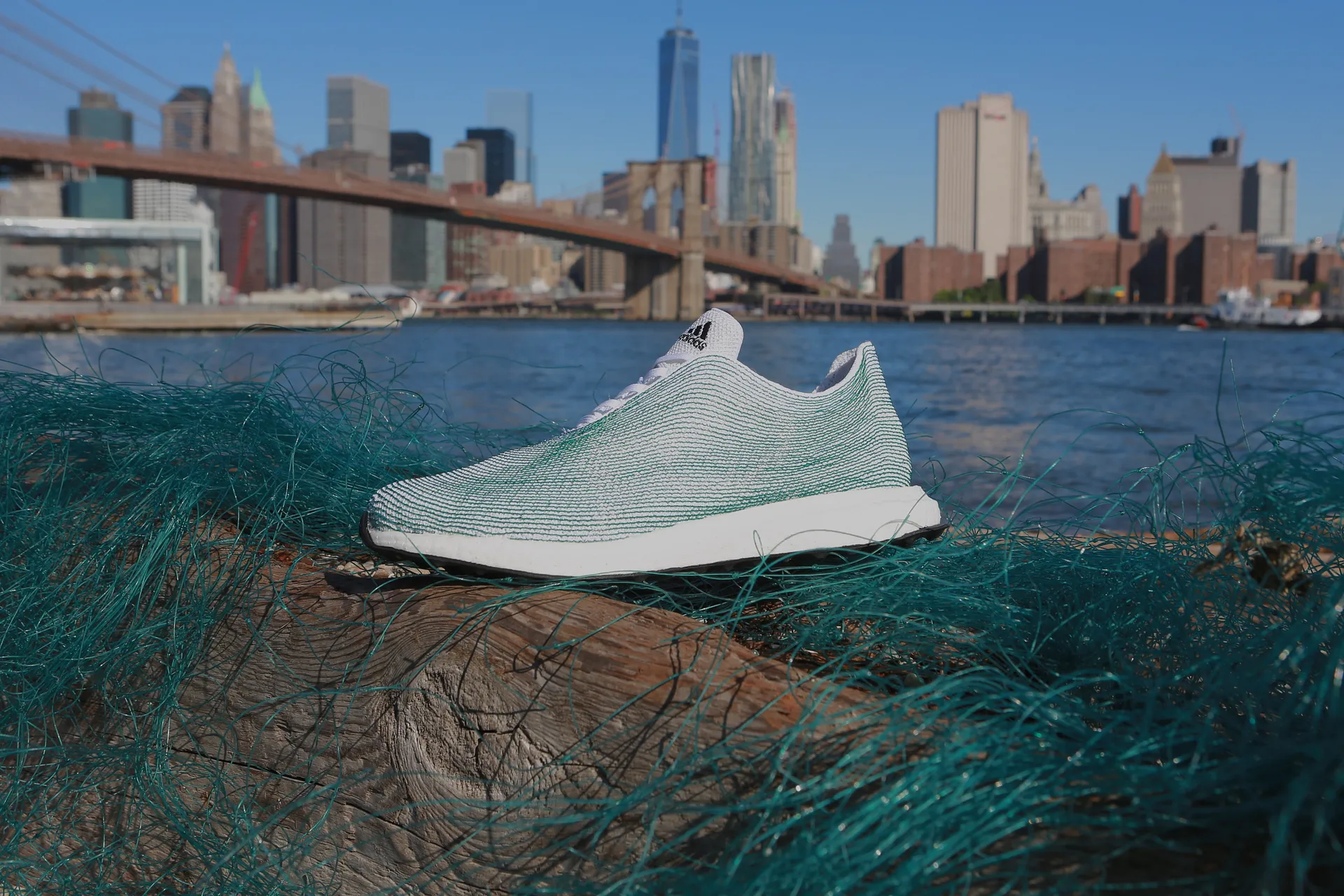
A sneaker launch can sound small until you picture the path behind the material. The running shoe is aimed at American shoppers who want daily miles, gym sessions, errands, and weekend walks to feel lighter on the planet without turning footwear into a lecture. Allbirds built its name on soft natural fibers, sugarcane-based cushioning, and a simpler look than the loud performance wall at most sporting goods stores. This launch pushes that identity into a sharper question: can recycled ocean plastic move from marketing phrase to practical material choice?
That question matters because buyers in the United States are tired of vague green claims. They want to know how a pair feels on concrete, how it handles sweat, how long it lasts, and whether the story behind it holds up. Coverage from consumer product news and brand visibility keeps showing the same shift: people are not only buying a product, they are judging the supply chain behind it. The better test is not whether the shoe sounds pure. It is whether the design makes sense after three months of use.
Why This Running Shoe Launch Feels Different in the USA
Most American shoppers do not wake up thinking about materials science. They think about sore arches, a wet parking lot, a long Target run after work, or a dog walk that turns into two miles. That is where Allbirds has a chance. The brand can make the environmental pitch feel close to ordinary life instead of trapped in a sustainability report. Still, the friction is clear: recycled ocean plastic has to earn trust under foot, not in a press line. If the first wear feels stiff, warm, or odd, the cleanup story will not carry the purchase. Footwear is intimate in a way jackets and bags are not. It rubs skin, takes body weight, and has to repeat the same motion thousands of times before lunch.
Recycled ocean plastic has to pass the comfort test first
The hardest truth for eco friendly sneakers is that good intentions do not cushion knees. A commuter in Chicago may wear the same pair from a train platform to a grocery aisle, then take it out for a light jog along the lake. If the upper rubs, the sole feels flat, or the shoe traps heat, the material story fades fast. Comfort is the first gate, and it is ruthless.
Allbirds has an advantage because its audience already accepts softness as part of the brand. The company’s familiar mix of tree fiber, wool blends, sugarcane-based foam, and recycled polyester gives buyers a frame of reference. They are not being asked to trust a random plastic shell shaped like a sneaker. They are being asked to see recovered waste as one part of a comfort system. That matters because feet do not care about a press release. They care about pressure points.
The non-obvious point is that recycled material should not always be hidden. A small texture difference can help the product feel honest. Too much polish can make a lower-impact shoe look like any other lifestyle sneaker, which weakens the reason people cared in the first place. A slightly visible weave or a clear material note can make the pair feel more grounded, not less refined.
American buyers want proof, not purity
The USA market is full of shoppers who like the idea of sustainable footwear but still compare price, return policy, sizing, and reviews. A runner in Phoenix may care about heat. A parent in Ohio may care about washability. A college student in Boston may care whether the shoe works with jeans and gym shorts. Each buyer asks a plain question: will this pair fit my week?
That is why proof beats perfect language. Buyers can forgive a shoe that says, “this component uses recovered material,” more than one that acts like a single purchase fixes the ocean. The cleaner claim is often the stronger claim. A clear chart showing which parts use recycled ocean plastic would do more than a dreamy beach photo.
Allbirds should benefit when it speaks like a product company, not a saint. Tell people what the material does, where it sits in the shoe, how it affects feel, and where trade-offs remain. That kind of honesty travels well in reviews because it gives customers words they can repeat without sounding sold to. It also protects the brand from the backlash that comes when shoppers feel talked down to.
What Fully Recycled Materials Change About Everyday Wear
The material shift matters most when it changes how people judge the whole pair. Recycled ocean plastic can feel like a big idea, but customers meet it through smaller moments: laces that hold, uppers that breathe, collars that do not scratch, midsoles that keep their shape. A greener story only works when those touchpoints feel settled. That is why the design has to begin with normal use, not with a slogan. A shoe can look responsible on a shelf and still fail on a sidewalk. The gap between those two moments is where many material-led products lose buyers. Real wear has no patience for branding. Feet tell the truth before reviews do.
The best eco friendly sneakers still need a boring daily job
A shoe that tries to be too special can become hard to wear. The smartest move is almost boring: make the pair easy to grab in the morning. That means neutral colors, stable cushioning, a breathable upper, and a profile that does not shout “science project.” Allbirds has long understood that a low-key look can be a strength. It lets the material story sit in the background until a buyer wants to know more.
Take a worker in Austin who keeps one pair by the door for office Fridays, grocery runs, and evening walks. That buyer may not track every material label, but they will notice whether the shoe dries after rain or keeps its shape after being stuffed under a desk. Those small moments decide repeat purchases. A helpful comfortable everyday trainer guide would treat those plain questions as the center of the decision.
The counterintuitive insight is that sustainability can win through normalcy. If a recycled product feels like a sacrifice, it stays niche. If it blends into daily use and holds up, it changes habits without asking for a speech. The best version of this Allbirds launch may be a pair people forget is unusual until someone asks what it is made from.
Recycled components can make design choices more disciplined
Designers often add layers to solve problems. A thicker overlay here. A stronger counter there. More foam to add comfort. More finish to hide the material. That habit can create a shoe that feels overbuilt before anyone wears it. The best footwear teams know subtraction is a skill, not a shortcut. When a pair has fewer pieces, the buyer may never notice the engineering, but they often notice the calmer feel.
A material-led project forces harder choices. If Allbirds is serious about recycled ocean plastic, the team has to decide where that material helps and where it gets in the way. A recycled yarn might suit the upper. A harder recovered plastic may work better in structure than in flex zones. The point is not to force one material everywhere. The point is to put it where it behaves well.
That discipline can produce a better pair. Fewer random parts mean fewer failure points, cleaner repair thinking, and a clearer reason for each piece. In footwear, restraint is not dull. It is often what makes the product wearable past the first month. A quieter build can also make recycling claims easier to explain because there are fewer layers hiding the truth.
How the Sustainability Claim Should Be Judged
The phrase recycled ocean plastic carries emotional weight. It brings up beaches, fishing nets, bottles, storms, and shorelines. But American consumers have grown wary of slogans that turn waste into a halo. A strong product story needs a grounded test, and this one should be judged by sourcing clarity, durability, and end-of-life thinking. The brand should welcome hard questions because the serious buyers are already asking them. That does not make the market hostile. It makes the market more mature. People who care about waste also care about being told the truth without fog.
A cleaner supply chain story needs plain language
A good claim should tell people whether the plastic was collected from shorelines, waterways, fishing gear, or post-consumer streams near the coast. Those are not the same thing. “Ocean-bound” and “ocean plastic” can mean different collection paths, and careful buyers notice that gap. A vague phrase may sell once, but it does not build trust. Plain labeling also helps shoppers compare brands without needing a chemistry background.
For context, NOAA explains marine debris as a real problem across oceans, waterways, and the Great Lakes, and its public resources help readers understand why plastic waste needs prevention as much as cleanup: NOAA guide to marine debris. That kind of source keeps the conversation from drifting into vague guilt. It also reminds buyers that cleanup stories should sit beside reduction, reuse, and smarter design.
Allbirds does not need to turn every shopper into a policy expert. It only needs to answer normal questions in normal words. Where did the material come from? Who processed it? What part of the shoe uses it? How is quality checked? Clear answers make sustainable footwear feel less like a mood and more like a measurable choice. A simple product page can do this well if it resists the urge to sound grand.
Durability is part of the environmental math
A pair made from better material still fails if it wears out early. Durability may be the least glamorous part of the story, but it is the part that protects the claim. If someone replaces a pair twice as fast, the lower-impact promise gets weaker. That is why heel lining, sole wear, and upper stretch deserve attention in early reviews.
Picture a Seattle buyer who walks on damp sidewalks five days a week. The upper has to handle moisture. The outsole has to grip. The heel lining has to survive repeated wear. None of that sounds poetic, but it is where the environmental case becomes real. A shoe that looks clean on launch day still has to survive coffee runs in November.
The surprising point is that the most earth-minded shoe may be the one you think about least. You wear it, air it out, clean it, and keep it in rotation. Longevity turns a material claim into a habit. Without that, recycled content becomes a nice label on a short-lived product. A low-waste shopping checklist should start with this question: will you still reach for it after the novelty fades?
What Shoppers Should Check Before Buying
The smarter shopper does not need to be cynical. Caution is not the enemy of excitement. It is how you avoid buying a shoe for its story and regretting it after the first long walk. If this launch gets attention, the best move is to judge it like any other pair, then add the material claim as a serious bonus. A good product should not ask you to lower your standards because it has a cleaner backstory. It should survive the same checkout questions as any other pair: does it fit, does it last, does it match your routine, and does the price feel fair after a month?
Fit, outsole, and use case matter more than the headline
Start with the role you need the shoe to play. If you want a soft daily pair for walking, light training, travel, and errands, Allbirds may fit the mood. If you need race-day snap, heavy trail grip, or hard gym stability, you should compare it against more technical options. The wrong use case can make a decent pair feel like a bad one.
Fit matters because recycled content cannot fix heel slip. Try to read reviews from people who mention foot width, arch feel, heat, and break-in time. A nurse in Nashville standing through long shifts has a different need than a weekend traveler walking airport terminals. The more specific the review, the more useful it becomes.
The non-obvious buying tip is to avoid asking one pair to do every job. A lighter lifestyle trainer can be a strong everyday pick and still be the wrong tool for speed workouts. That does not make it bad. It makes the purchase clearer. Clear expectations reduce returns, and fewer returns are part of a cleaner retail cycle too.
Price only makes sense beside wear count
A cheaper shoe that sits in the closet is expensive. A pricier pair worn four times a week may be the better buy. This is where eco friendly sneakers should be judged with the same math as any other product: cost per wear, comfort per hour, and how often you reach for them without thinking. The greenest purchase is often the one that avoids a second purchase.
Look at return windows, size guidance, cleaning notes, and whether replacement insoles are practical. These plain details matter more than a glossy launch page. They tell you whether the brand expects the shoe to live in the real world. A company confident in fit and wear should make those details easy to find.
The best buyer response is balanced interest. Celebrate recycled ocean plastic when it is used well, but ask the dull questions too. A good launch can handle them. In fact, it becomes stronger when it does. The material story opens the door; comfort, clarity, and wear decide whether the pair stays there.
Conclusion
The next wave of footwear will not be won by slogans alone. American buyers have seen too many green claims that sounded better than the products felt. The running shoe matters because it puts Allbirds in a spot where comfort, sourcing, design restraint, and daily wear all have to agree.
That is a tougher test than a pretty product page. It is also a better one. The brands that win this space will treat trust as part of design. Recycled ocean plastic can be part of a smarter footwear future when it is sourced clearly, placed with care, and built into a pair people keep using. The promise is not that one sneaker saves the sea. The promise is that better material choices can become normal enough to change what shoppers expect.
For anyone considering the launch, the right move is simple: judge the comfort, read the material details, check the return policy, and buy only if the shoe fits your real week. Choose the pair that earns its place by the door.
Frequently Asked Questions
Is the new Allbirds recycled material sneaker good for daily walking?
It should appeal most to people who want soft, simple footwear for errands, office days, travel, and light walks. Check reviews for arch feel, width, and breathability before buying. Daily comfort depends more on fit than the material story.
What makes recycled ocean plastic different from regular recycled polyester?
Recovered marine or shoreline waste carries a stronger cleanup story, while standard recycled polyester often comes from bottles or textile streams. The key is traceability. A brand should explain the source, processing path, and exact shoe parts that use the material.
Are Allbirds shoes worth buying for sustainability alone?
Buy them only when the fit, comfort, and expected wear match your needs. Sustainability adds value, but it cannot rescue a pair that hurts your feet or wears out too fast. The strongest choice is the one you keep wearing.
Can eco friendly sneakers perform like regular athletic pairs?
Some can handle walking, travel, light workouts, and casual daily movement well. High-speed training, racing, and rugged trails still demand more technical construction. Match the pair to your routine instead of expecting one sneaker to cover every activity.
How should I clean shoes made with recycled materials?
Follow the brand’s care label first. In most cases, gentle brushing, cold water spot cleaning, and air drying are safer than heat. Avoid harsh detergents because they can weaken fibers, fade color, or damage adhesives around the upper and sole.
Does recycled plastic make footwear less durable?
Not always. Durability depends on yarn quality, knit structure, bonding, outsole design, and how the material is placed. Recycled content can work well when used in the right component, but poor construction will fail no matter what the source is.
What should shoppers check before ordering the new Allbirds pair?
Look at sizing notes, width comments, return policy, outsole grip, cleaning guidance, and early user reviews. Pay attention to buyers with routines like yours. A commuter, walker, traveler, and gym user may report different strengths and weak spots.
Why are brands using ocean waste in footwear now?
Footwear companies are under pressure to reduce reliance on virgin plastic and show clearer material responsibility. Ocean-linked waste also gives shoppers a visible story. The better brands pair that story with traceable sourcing, durable design, and honest limits.