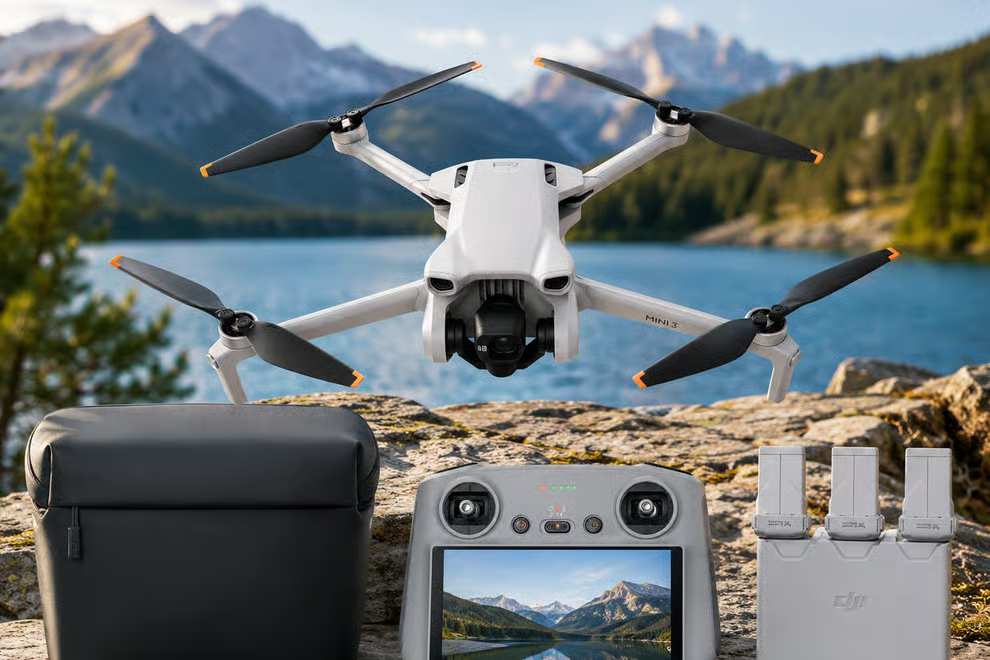
A cheap drone can still make an expensive mistake look easy. That is why the Mini 4K Drone landing under $300 matters to socamera without turning a hobby into a payment plan. The appeal is not mystery. You get a known DJI flight system, 4K video, a light folding body, and a real controller in a price zone that used to mean shaky toys and short-lived batteries.
This price point also changes who can try aerial video. A parent filming a Little League field from a legal distance, a real estate assistant learning property angles, or a weekend traveler shooting a lake cabin can start without buying pro gear first. For readers tracking practical consumer tech and smart buying signals, trusted product news coverage helps separate loud sale language from purchases that make sense after the box arrives.
The catch is simple: cheap does not mean careless. You still need to understand rules, wind, batteries, storage, and what this camera can and cannot do before you fly.
Why the Mini 4K Drone Price Feels Different This Time
The under-$300 mark has a strange pull in consumer tech. Above it, shoppers pause and compare models for days. Below it, a product starts to feel like an easy yes, especially when the name on the box has a strong track record. For years, the low-cost drone shelf carried a warning without saying it out loud: save money, then pay for it through poor controls, weak video, bad apps, or parts that vanish after a season. This model does not erase every compromise, yet it changes the entry price for people who want a steady first step instead of a throwaway gadget. That matters because an entry-level drone should teach confidence, not punish curiosity. A first-time pilot needs enough quality to see progress, yet not so much cost that every takeoff feels like a financial bet. That balance is why this deal has more meaning than another short sale badge. It gives budget shoppers a cleaner way to test the hobby before deciding whether aerial work belongs in their lives.
Budget Drones No Longer Need to Feel Disposable
A budget drone used to feel like a dare. You charged it, flew it twice, fought the wind, watched the video wobble, and learned why serious pilots paid more. That pattern trained shoppers to distrust anything cheap. Fair enough. Many low-priced flyers earned that reputation.
The DJI Mini 4K enters the conversation from a different angle. Its 3-axis gimbal matters because video shake ruins footage faster than low resolution does. A 1080p clip with smooth movement can look useful. A 4K clip that jitters like a nervous hand usually gets deleted. That is the small detail many new buyers miss while chasing numbers on a product page.
Take a common weekend scene in the U.S.: a family at a state park overlook, with hills, water, and a parking lot full of people. A low-grade toy drone may lift off and record, but the clip often swings, tilts, and hunts. A stable gimbal gives you a clean glide across the view. The counterintuitive part is that steadiness can matter more than sharpness for the memory you keep.
What Under $300 Changes for First-Time Pilots
Price affects behavior. When a drone costs $900, a beginner may fly with stiff shoulders and a fear of every tree branch. When an entry-level drone sits under $300, you can learn with less pressure. That does not mean you should fly recklessly. It means practice becomes easier to accept.
A lower price also makes the extra costs more visible. You may still want a second battery, a microSD card, a landing pad, propeller guards for tight practice areas, or a small case. Picture a college student buying one for weekend hikes near Asheville, Boulder, or Flagstaff, then learning that one battery feels thin when wind delays the shot. The honest way to shop is to plan the first month, not the checkout total.
Here is the odd win: a cheaper drone can make you a better pilot because you may fly more often. Ten calm, short flights in an empty soccer field teach more than one nervous flight at a scenic overlook. Skill comes from repetition. A beginner drone that you are not afraid to use has a better chance of leaving the closet.
The Camera Story: Stable Footage Matters More Than Big Claims
Once the price grabs attention, the camera decides whether the purchase still feels smart after the first weekend. The DJI Mini 4K records up to 4K/30fps video, which sounds clean and modern on paper. Yet camera specs can mislead beginners because drone footage depends on motion, light, wind, and pilot choices more than one number in a listing. This model is not trying to replace a higher-end aircraft with larger sensors and stronger obstacle sensing. It is trying to give regular buyers a calm flying camera that can record crisp outdoor scenes when conditions are fair. That narrower promise is easier to judge at home: does the clip look steady, does the horizon stay calm, and can you share it without apologizing for the shake?
Why a 3-Axis Gimbal Changes Backyard Video
A backyard is a harsher test than it looks. Fence lines create tight framing. Trees throw mixed shadows across the grass. A small gust slips between houses. Kids, pets, grills, and patio furniture all fight for attention in the shot. The pilot may think the camera needs more resolution, but the footage often needs smoother movement first.
A 3-axis gimbal helps separate camera motion from aircraft motion. When the drone shifts slightly, the camera does not have to copy every twitch. That creates the floating look people expect from aerial video. It is the difference between footage that feels watched and footage that feels endured.
A good test is a slow rise above a driveway at golden hour. Point the camera toward the house, climb slowly, and stop before the roofline fills the frame. If the motion stays calm, the clip can work for a home video, a simple real estate preview, or a neighborhood project. Repeat the same move twice, and you will see how small stick inputs change the mood. The camera did not need drama. It needed control.
Where a 4K Camera Drone Still Shows Its Limits
A 4K camera drone at this price will not forgive every shooting mistake. Small sensors struggle when light drops. Bright skies can wash out detail. Fast turns can make footage feel rushed. If you expect sunset footage to look like a travel film with no effort, the first edit may humble you.
That is not a reason to skip it. It is a reason to fly smarter. Shoot earlier in the evening instead of after the sun has collapsed. Move slower than you think you need to. Avoid whipping the drone sideways to show the whole scene in one move. New pilots often overfly because the sky feels open. Good footage usually comes from restraint.
For creators building a simple gear path, pair this purchase with a basic editing habit instead of another gadget. Trim shaky starts, cut before the turn gets messy, and use one clean movement per clip. You can also plan upgrades later with a guide such as beginner photography gear guide, but do not rush past the craft. Storage is another quiet limit, so buy a card that matches the camera’s needs and keep clips short. Ten clean clips are easier to use than one long flight full of searching, drifting, and second guesses.
Rules, Range, and Battery Life for American Flyers
The next question is less exciting than camera quality, but it matters more: where can you fly, and what does the law expect from you? In the United States, small recreational drones still operate under real rules. A light model may reduce some registration burden, but it does not remove the need to fly safely. The DJI Mini 4K sits under 249 g in its standard setup, which is one reason it gets attention from U.S. beginners. Still, the flyer must take The Recreational UAS Safety Test and follow airspace rules, so the FAA’s recreational flyer rules should be read before the first launch. That reading may feel dry, but it turns vague fear into clear boundaries. Most beginners relax once they know where they can fly and what choices are off the table.
What Under 249 Grams Means in the United States
Under 249 g is not a magic shield. It is a weight category with benefits and limits. For recreational use, the registration rule becomes easier when the drone stays below 250 g, but you still need to keep the aircraft in sight, avoid unsafe areas, respect controlled airspace, and follow local restrictions. National parks, stadiums, airports, and crowded events are not casual playgrounds.
There is a practical catch too. Add-ons can change weight. Propeller guards, stickers, small mounts, or aftermarket parts may push a light aircraft into a different category. A buyer who wants the weight benefit should keep the setup plain and check the aircraft weight if accessories are added.
Here is the non-obvious part: rules can improve your footage. When you avoid crowds, stay away from restricted zones, and fly in open places, you usually get cleaner shots. A quiet school field on a Sunday morning may produce better practice footage than a famous landmark packed with people and limits. Airspace is the detail that trips up careful people, not only careless ones, so check an approved app or official map source before flying in a new place. Good pilots walk away often.
Why 31 Minutes of Rated Flight Time Feels Shorter Outside
The official battery rating is useful, but no pilot should treat it like a promise from the sky. Wind, cold air, return distance, climbing, and repeated stops can eat into flight time. So can beginner nerves. A new pilot spends time hovering, correcting, checking the screen, and deciding what to do next. The minutes disappear.
Think of a rated 31-minute battery as a planning number, not a challenge. Land with a safe margin. Keep the first flights short. Practice takeoff, hover, slow forward movement, return, and landing before you chase pretty footage. That boring routine protects the drone and builds muscle memory. It also makes the fun flights better, because your hands stop guessing and start reacting with calmer timing.
Range deserves the same calm reading. Long transmission distance sounds exciting, but American beginners should care more about signal confidence nearby than distant flight. You must keep the drone within visual line of sight. A strong connection helps at normal distances, especially when you are learning, but it should not tempt you into flying beyond what you can see.
Who Should Buy It, Skip It, or Wait
The better a deal looks, the more honest the buying advice needs to be. This is not the right drone for every person with $300. It is a strong fit for learners, casual creators, travelers who pack light, and homeowners who want a safe way to practice aerial shots. It is less ideal for people who need advanced obstacle sensing, high-end low-light footage, or client work with no room for error. A drone should match your habits, not your fantasy version of them. That sounds plain, but it is the rule buyers break most often when a discount gets loud. The buyer who hikes twice a month, edits clips on a phone, and enjoys learning controls has a different need from the buyer who wants polished client work by Friday. The sale price should not flatten those differences. A good deal still has to fit the life it enters.
The Beginner Drone Buyer Who Gets the Most Value
The buyer who wins here is patient. They want a beginner drone that teaches real flying, not one that hides every mistake. They are willing to start in open spaces. They do not need pro color grading or complex tracking shots on day one. They want family trips, backyard views, local parks where flying is allowed, and clean clips for personal use.
A small business helper may also see value. Think of a roofing office capturing basic exterior context before a formal inspection, or a local landscaping company filming a finished patio from above for social media. Those uses still require care, permission, and rule awareness, but they do not always require an expensive aircraft.
The counterintuitive buying signal is this: the best first drone may be the one you eventually outgrow. Outgrowing gear means you learned. If this model teaches you composition, battery planning, wind judgment, and smooth inputs, it has done its job even if you move to a higher tier later.
When Paying More Saves You Trouble
Some shoppers should skip the bargain and spend more. If you want stronger obstacle sensing, better low-light footage, vertical video tools, richer color options, or more advanced subject tracking, a higher model may fit better. That is not snobbery. It is a cleaner match between need and tool.
Parents buying for a teen should think about maturity more than specs. A drone is not a toy once it enters shared airspace. The pilot needs patience, rule awareness, and enough judgment to stop flying when the area gets busy. For younger users, supervised practice in a wide open field beats any feature list.
Travelers should check destination rules before packing. Cities, beaches, monuments, and parks often have their own restrictions. A compact drone can feel harmless in a backpack, yet the location decides whether it belongs in the air. Before you add it to a travel kit, build a small checklist with gear, rules, and backups using smart tech buying tips. Warranty and parts support should sit on that checklist too, because a lower price loses its charm if a minor crash leaves you waiting weeks for propellers. Buy from a seller with clear returns, keep spare props in the case, and do the first flights over grass.
Conclusion
The under-$300 moment matters because it turns aerial video from a pricey hobby into a realistic first step. You still need discipline. You still need open space, calm weather, spare time, and respect for the rules that shape safe flying in the United States.
The Mini 4K Drone makes the most sense for people who want to learn the craft before chasing pro features. It gives you enough camera quality to feel rewarded, enough flight time to practice, and enough portability to bring it along without planning the whole day around it. The value is not only the discount. The value is that it lowers the fear of starting, which is often the wall that keeps people from learning aerial video at all. When the first step feels reachable, practice becomes more likely.
Buy it if you are ready to practice with care, read the rules, and build skill one short flight at a time. Treat the first month as training, not as a hunt for perfect shots. Leave it alone if you want the drone to do the hard thinking for you. The sky rewards patient pilots, not impatient shoppers. Start small, fly clean, and let skill set the pace.
Frequently Asked Questions
How much does the DJI Mini 4K usually cost in the United States?
Sale pricing can move, but the key appeal is that this model has dropped below $300 at major U.S. retailers. Check the final cart price, battery bundle, return window, and warranty terms before buying, because the cheapest listing is not always the smartest package.
Is the DJI Mini 4K worth buying for beginners?
Yes, it is a strong beginner pick because it offers stable 4K video, a light folding body, and a real controller at a lower price. It works best for patient learners who will practice in open areas and follow U.S. flying rules.
Do I need to register this DJI model with the FAA?
For recreational flyers, drones under 250 g usually do not need FAA registration, as long as they stay under that weight. You still need to pass TRUST, carry proof, follow airspace rules, and register if accessories push the aircraft to 250 g or more.
Can this drone shoot good video for social media?
Yes, it can produce clean outdoor clips when light is good and the pilot moves slowly. The 3-axis gimbal helps a lot. For the best results, shoot short movements, avoid harsh wind, and edit out messy turns before posting.
What accessories should I buy first?
Start with a quality microSD card, a small case, and at least one extra battery if your budget allows. A landing pad helps in dusty grass or gravel. Skip random add-ons until you know how and where you fly most.
Is it safe to fly near houses or people?
Keep a safe distance from people, private property, roads, pets, and power lines. A small drone can still cause harm or create privacy concerns. Ask permission when needed, avoid backyards that are not yours, and choose open spaces for practice.
How long can a new pilot expect one battery to last?
Expect less than the rated maximum during normal learning flights. Wind, climbing, hovering, and return time reduce usable minutes. Land early rather than squeezing the battery low. A safe flight with extra charge left is better than a risky return.
Should I buy this or wait for a higher-end DJI model?
Buy this if your main goal is learning aerial video at a low cost. Wait or spend more if you need advanced obstacle sensing, stronger low-light results, vertical shooting features, or work-ready footage for paying clients.